

Not every skin concern requires medical treatment. Occasional dryness, mild irritation, or a temporary blemish may improve with appropriate skincare. However, some skin changes can signal an underlying condition and should not be ignored.
Knowing when to see a dermatologist is especially important when a skin problem persists, worsens, keeps returning, or develops unusual features such as bleeding, rapid changes, significant pain, or spreading redness. Recognizing these warning signs skin problems can show may help you seek professional assessment at the right time and avoid unnecessary self-treatment.
When to See a Dermatologist for a Skin Problem

It can be difficult to know whether a skin concern is something you can manage at home or whether it requires professional assessment. A useful rule is to consider how long the problem has lasted, whether it is changing, and whether it is affecting your daily life.
You should consider seeing a dermatologist if a skin problem:
- Does not improve despite appropriate skincare
- Keeps coming back
- Is becoming more severe or spreading
- Causes persistent itching, burning, or pain
- Develops unusual swelling, bleeding, or discharge
- Appears suddenly without an obvious explanation
- Changes in color, size, shape, or texture
- Interferes with sleep or everyday activities
- Does not respond to over-the-counter products
A dermatologist can examine the affected area, consider your medical and skincare history, and determine whether further testing or treatment is necessary.
Online Aesthetic Consultation
Book an Online Aesthetic Consultation with Dr. Elham to discuss your goals and choose the most suitable option for you.

Warning Signs Skin Problems You Shouldn’t Ignore

Some symptoms deserve more attention than ordinary, short-term skin irritation. Recognizing these warning signs skin problems may have can help you decide when professional assessment is appropriate.
1. A Mole or Skin Lesion That Changes
A mole or other pigmented lesion that changes over time should be assessed by a dermatologist. Changes may include:
- Increasing size
- An irregular or changing shape
- Uneven or multiple colors
- Changes in texture
- Persistent itching
- Bleeding or crusting
Not every changing mole is dangerous, but changes should not be dismissed without appropriate assessment.
2. A Sore That Does Not Heal
A small cut or irritation would generally be expected to improve over time. If a sore remains open, repeatedly crusts, bleeds, or does not appear to heal normally, it is worth having it evaluated.
Persistent or non-healing lesions can have several possible causes, so professional assessment is important rather than relying on self-treatment.
3. Persistent or Severe Itching
Occasional itching can result from dry skin or temporary irritation. However, persistent itching without an obvious cause may require further evaluation.
If itching is accompanied by a rash, scaling, swelling, skin thickening, or sleep disruption, consider scheduling a dermatology consultation.
4. A Rash That Keeps Returning or Spreads
A rash that persists, repeatedly returns, or gradually spreads may have an underlying cause that is difficult to identify from appearance alone.
Possible causes include inflammatory skin conditions, allergies, infections, medication reactions, and other dermatological conditions. A dermatologist can assess the pattern and other associated symptoms to help determine the appropriate next step.
5. Sudden or Significant Skin Color Changes
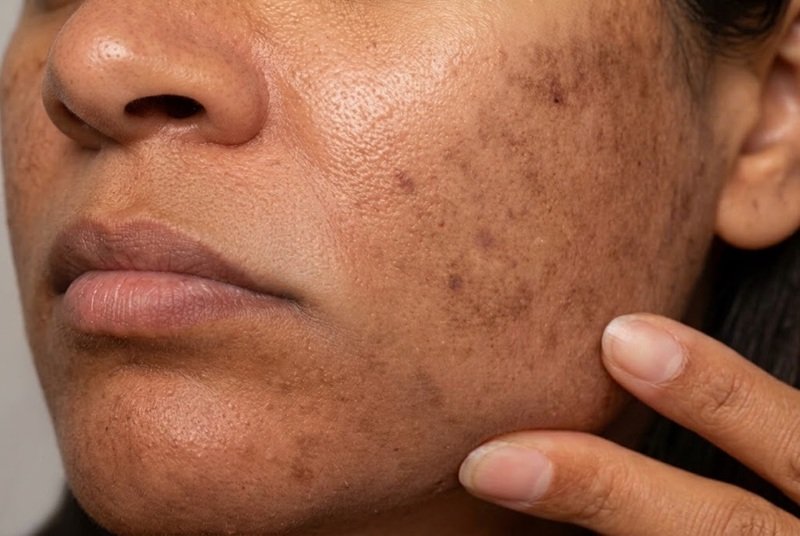
New areas of unusual pigmentation, rapidly developing dark or light patches, or significant changes in an existing pigmented area should be assessed if they persist or continue changing.
Pigmentation can have many causes, and treatment should ideally be based on identifying the underlying reason rather than simply treating the visible discoloration.
6. Unexplained Swelling, Redness, or Warmth
Redness and swelling can occur with irritation, inflammation, allergic reactions, or infection.
If redness is spreading, accompanied by significant pain or warmth, or associated with fever or feeling unwell, medical evaluation should not be delayed.
7. Persistent Acne That Is Not Improving
Occasional breakouts are common, but acne that remains persistent, becomes painful, leaves marks or scars, or does not improve with appropriate skincare may benefit from professional treatment.
A dermatologist can help identify the severity and type of acne and recommend an appropriate treatment approach.
8. Sudden or Unusual Hair Loss
Hair shedding can fluctuate, but sudden, excessive, or patchy hair loss may warrant professional assessment.
Because hair loss can have multiple possible causes, identifying the underlying factor is an important part of choosing an appropriate treatment plan.
9. Unexplained Changes in the Nails
Changes in nail color, thickness, shape, or texture can sometimes be associated with local nail conditions or other underlying issues.
Persistent or unexplained nail changes should be assessed rather than repeatedly treated with cosmetic products alone.
Skin Symptoms Needing Medical Attention: How Serious Is It?

Not every unusual skin symptom requires urgent treatment. The appropriate response depends on the severity, duration, and progression of the symptoms.
| Skin Symptom | What It May Indicate | Recommended Action |
|---|---|---|
| Mild, temporary dryness | Common irritation or dehydration | Monitor and use appropriate skincare |
| Mild rash that improves quickly | Temporary irritation or reaction | Monitor; seek advice if it persists |
| Persistent itching or recurring rash | Possible inflammatory or dermatological condition | Schedule a dermatology consultation |
| Acne that is painful or persistent | Moderate to severe acne or another skin concern | Consider professional assessment |
| Rapidly changing mole or lesion | Requires professional evaluation | Arrange a prompt dermatology assessment |
| Non-healing or repeatedly bleeding sore | Needs medical evaluation | Seek prompt medical assessment |
| Spreading redness with pain, warmth, or fever | Possible infection or significant inflammation | Seek urgent medical attention |
| Severe swelling with breathing difficulty | Potential serious allergic reaction | Seek emergency medical care |
This table is a general guide rather than a diagnosis. The same symptom can have different causes, so persistent or concerning changes should be evaluated by a qualified healthcare professional.
Common Skin Problems That May Need a Specialist

Some skin conditions are common but may still require professional management when they are persistent, severe, or affecting quality of life.
Acne
Acne that is painful, persistent, widespread, or associated with scarring may require more than basic skincare. Professional assessment can help determine whether prescription treatment or another approach is appropriate.
Eczema and Dermatitis
Persistent dryness, redness, itching, scaling, or irritation may be associated with eczema or dermatitis. Identifying potential triggers and choosing appropriate treatment can help prevent repeated flare-ups.
Psoriasis
Persistent, well-defined patches of red, scaly skin may require assessment for psoriasis or another inflammatory skin condition. Treatment depends on the type and severity of the condition.
Rosacea
Persistent facial redness, flushing, visible blood vessels, or acne-like bumps may be associated with rosacea. Because different conditions can appear similar, professional assessment can help clarify the cause.
Hyperpigmentation
Dark patches can develop for many reasons, including sun exposure, inflammation, hormonal changes, or previous skin injury. Treating pigmentation effectively starts with understanding its underlying cause.
Recurrent Skin Infections
Repeated infections, unexplained boils, or recurring inflammation may require assessment to determine why the problem keeps returning and whether additional treatment is needed.
When Is a Skin Problem an Emergency?
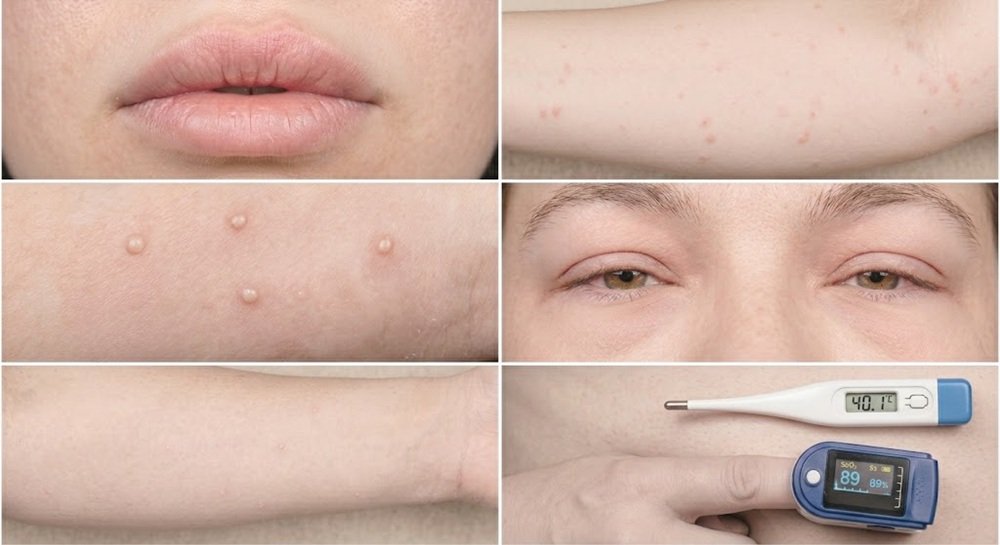
Most skin concerns can be assessed through a routine dermatology appointment. However, certain symptoms require more immediate medical attention.
Seek urgent or emergency medical care if a skin reaction is accompanied by:
- Difficulty breathing
- Significant swelling of the face, lips, tongue, or throat
- Fainting or severe dizziness
- A rapidly spreading rash with severe symptoms
- Extensive blistering or skin peeling
- Severe pain with rapidly worsening redness or swelling
- High fever or feeling seriously unwell
These symptoms may indicate a potentially serious reaction or infection and should not be managed solely with skincare products.
Why Early Dermatology Assessment Matters
One reason it is important to know when to see a dermatologist is that similar-looking skin symptoms can have very different causes.
For example, redness may result from irritation, inflammation, infection, allergy, or another condition. Similarly, pigmentation may have several possible triggers. Treating the visible symptom without understanding its cause may not provide the most appropriate solution.
A professional assessment can help:
- Identify the likely cause of a skin concern
- Determine whether further investigation is needed
- Distinguish between similar-looking conditions
- Select an appropriate treatment approach
- Reduce unnecessary experimentation with products
- Develop a skincare routine that is better suited to the individual’s needs
What to Expect During a Dermatology Consultation
A dermatology consultation generally begins with a discussion of your symptoms and relevant history. The specialist may ask when the problem started, whether it has changed, what products or medications you have used, and whether similar symptoms have occurred before.
The skin is then examined to assess the location, appearance, distribution, and characteristics of the concern.
Depending on the situation, the specialist may recommend:
- Observation and skincare adjustments
- Medical or prescription treatment
- Additional diagnostic testing
- Follow-up assessment
- Referral for further evaluation when appropriate
The treatment pathway should be based on the specific condition rather than a one-size-fits-all approach.
How to Choose the Right Skin Care and Treatment Path

Once a skin concern has been assessed, the next step is understanding which skincare and treatment approach is appropriate.
A routine that works well for one person may not be suitable for another, particularly when the skin is sensitive, inflamed, acne-prone, or affected by pigmentation.
Dr. Elham takes an individualized approach to skin concerns, considering factors such as the condition of the skin, existing symptoms, previous treatments, and the patient’s individual goals when recommending an appropriate skincare and treatment pathway.
Professional guidance can help you choose skin care based on factors such as:
- Skin type
- Current symptoms
- Underlying skin condition
- Sensitivity and irritation
- Previous treatments
- Lifestyle and environmental factors
- Individual treatment goals
Good skincare is not simply about using more products. It is about choosing suitable products and habits that support the condition and needs of your skin.
When to Book a Dermatology Consultation
If you are unsure whether a skin problem needs professional attention, consider booking a consultation when the symptom is persistent, worsening, recurrent, unexplained, or significantly affecting your comfort or daily life.
A consultation may also be appropriate if:
- Your current skincare routine is not helping
- A skin problem keeps returning
- You are unsure what is causing your symptoms
- You are concerned about a changing mole or lesion
- Acne or pigmentation is not responding to your current approach
- You are experiencing unexplained hair or nail changes
- You want professional guidance before starting a new treatment
Getting an assessment does not necessarily mean that you need an extensive treatment plan. In many cases, the purpose of a consultation is simply to understand what is happening and determine the most appropriate next step.
Online Aesthetic Consultation
Book an Online Aesthetic Consultation with Dr. Elham to discuss your goals and choose the most suitable option for you.
Need Help Choosing the Right Skin Treatment?
If you are unsure whether a persistent, changing, or unusual skin concern requires professional attention, a dermatology consultation with Dr. Elham can help assess your symptoms and determine the most appropriate next step for your skin.
Frequently Asked Questions
When should I see a dermatologist?
What are the warning signs of a serious skin problem?
Which skin symptoms need medical attention?
Should I see a dermatologist for a persistent rash?
When should a changing mole be checked?
Can a dermatologist help with acne and pigmentation?
Final Thoughts
Most skin concerns are manageable, but persistent, changing, or unusual symptoms should not be ignored. Knowing when to see a dermatologist can help you get the right assessment and choose an appropriate skincare and treatment path.



Leave a Comment