

Pregnancy and childbirth can bring noticeable changes to the skin, including stretch marks, pigmentation, dryness, acne, and changes in skin firmness. While many of these changes are a normal part of postpartum recovery, some may persist and become a concern.
Understanding postpartum skin changes explained can help you recognize what may improve naturally and when professional treatment may be worth considering.
What Causes Postpartum Skin Changes?

Postpartum skin changes can result from hormonal fluctuations, skin stretching, changes in circulation, and the physical changes that occur during pregnancy.
Hormonal shifts can affect pigmentation and oil production, while the rapid stretching of the skin can contribute to stretch marks. After delivery, hormone levels gradually change again, and some pregnancy-related skin changes begin to fade.
However, not every change disappears completely. The duration and severity can vary depending on factors such as genetics, skin type, pregnancy-related changes, and individual recovery.
Online Aesthetic Consultation
Book an Online Aesthetic Consultation with Dr. Elham to discuss your goals and choose the most suitable option for you.

Postpartum Skin Changes Explained: What’s Normal and What Can Be Treated?
Not every postpartum skin change requires treatment. Some gradually improve on their own, while others may remain visible and can be addressed with professional care.
| Skin Change | Usually Normal After Pregnancy? | May Benefit From Treatment? |
|---|---|---|
| Stretch marks | Yes | Yes, if their appearance is a concern |
| Darkening of the abdomen or nipples | Yes | Usually improves naturally |
| Melasma or facial pigmentation | Common | Yes, if it persists |
| Dry or sensitive skin | Common | Usually manageable with skincare |
| Postpartum acne | Common | Yes, if persistent or severe |
| Loose or less firm skin | Common | Treatment depends on the degree of laxity |
The key is to allow your body time to recover while recognizing when a persistent concern may benefit from professional evaluation.
1. Stretch Marks After Pregnancy
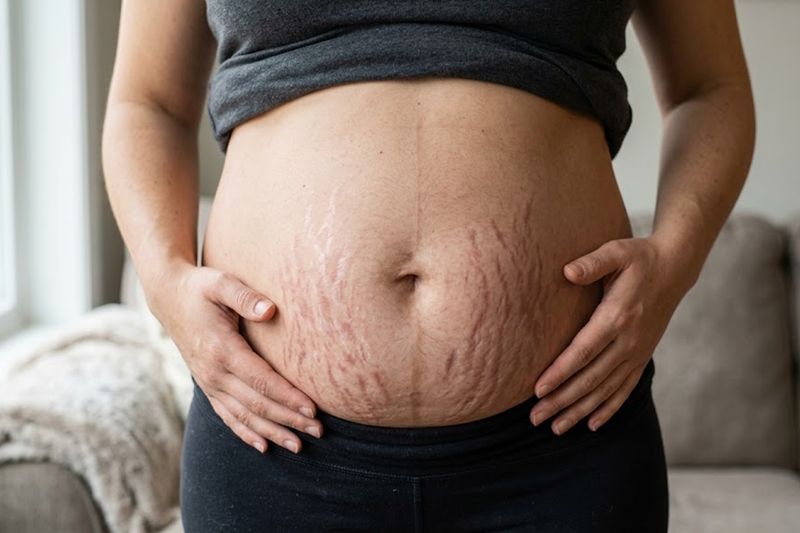
Stretch marks are one of the most common postpartum skin changes. They develop when the skin stretches or changes rapidly, affecting collagen and elastin within the deeper layers of the skin.
They commonly appear on the abdomen, breasts, hips, thighs, and buttocks. New stretch marks may look pink, red, purple, reddish-brown, or darker depending on your skin tone. Over time, they typically become lighter and less noticeable.
Although stretch marks can fade naturally, they are a type of scar and usually do not disappear completely. Treatments may help make them less noticeable, particularly when selected according to their age, color, and texture.
If your stretch marks remain noticeable after pregnancy and you would like to explore treatment options, you can learn more about stretch marks removal in Dubai and available treatment approaches.
2. Postpartum Hyperpigmentation
Darkening of the skin is another common change during and after pregnancy. You may notice increased pigmentation around the nipples, areolas, abdomen, inner thighs, or other areas.
The linea nigra, a darker line that can develop vertically across the abdomen during pregnancy, may also remain visible for some time after delivery.
In many cases, pregnancy-related pigmentation gradually becomes lighter as hormonal changes settle. However, persistent or uneven pigmentation may require a professional assessment to determine its cause and the most appropriate treatment.
If postpartum pigmentation continues to be a concern, consulting a pigmentation doctor Dubai can help determine the cause and appropriate treatment options.
3. Melasma After Pregnancy
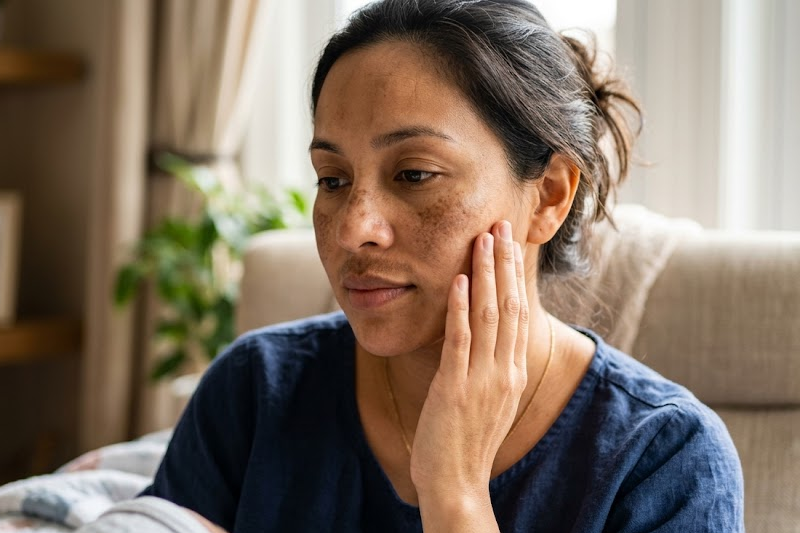
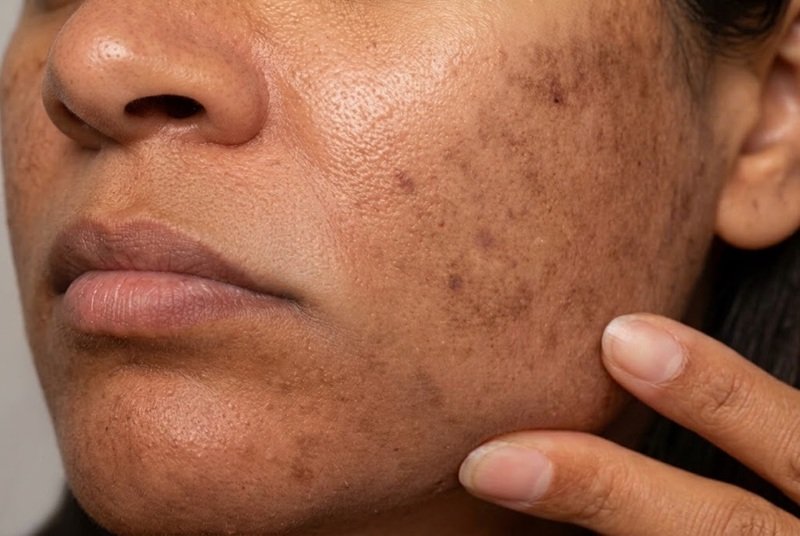
Melasma causes darker, uneven patches that most commonly appear on the cheeks, forehead, nose, chin, or above the upper lip. Pregnancy-related hormonal changes can trigger melasma, which is why it is often referred to as the “mask of pregnancy.”
For some women, melasma becomes less noticeable after childbirth. For others, it can persist for months or even years. Sun exposure can also make the pigmentation more noticeable.
If postpartum facial pigmentation persists, a dermatologist or qualified aesthetic doctor can determine whether it is melasma or another type of pigmentation and recommend an appropriate treatment plan.
Daily sun protection is particularly important when managing melasma. Dermatologists generally recommend broad-spectrum SPF 30 or higher, along with other sun-protective measures.
4. Dry, Sensitive, or Acne-Prone Skin
Hormonal changes after childbirth can affect how the skin looks and feels. Some women experience dryness or increased sensitivity, while others notice more oiliness or acne.
A simple skincare routine can often help support the skin barrier:
- Use a gentle cleanser.
- Apply a fragrance-free moisturizer.
- Avoid harsh scrubs if the skin is irritated.
- Use sunscreen during the day.
- Introduce active ingredients gradually rather than using several strong products at once.
If acne is persistent, painful, or leaving marks, professional assessment may help determine the most appropriate treatment.
If you are breastfeeding, discuss new medications or active skincare ingredients with your doctor before using them. Certain treatments may not be appropriate during breastfeeding.
5. Loose or Less Firm Skin After Pregnancy
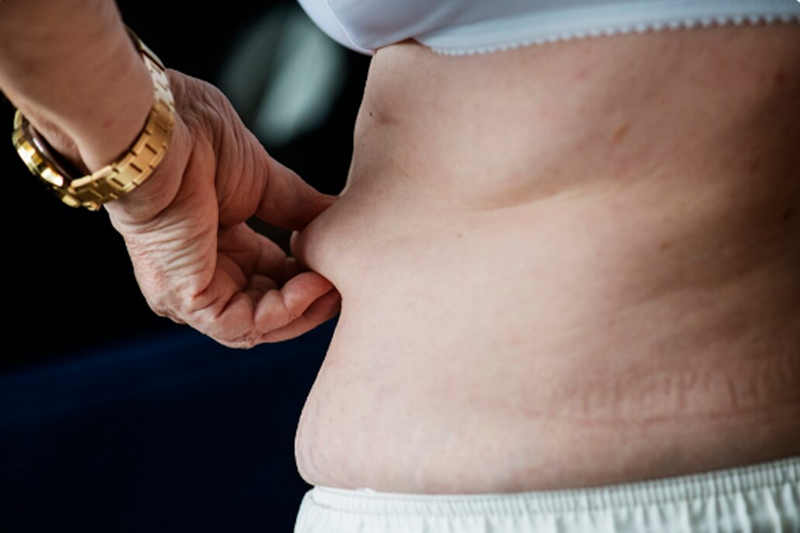
The abdomen and other areas of the body may appear less firm after pregnancy. This can happen because the skin and underlying tissues have undergone significant stretching.
Some improvement may occur naturally as the body recovers. However, the degree of skin laxity varies from person to person and can be influenced by factors such as genetics, age, skin elasticity, pregnancy-related stretching, and changes in body weight.
If loose skin remains a concern after the postpartum recovery period, a consultation can help determine whether skincare, non-surgical treatments, or other options may be appropriate.
How Long Do Postpartum Skin Changes Last?
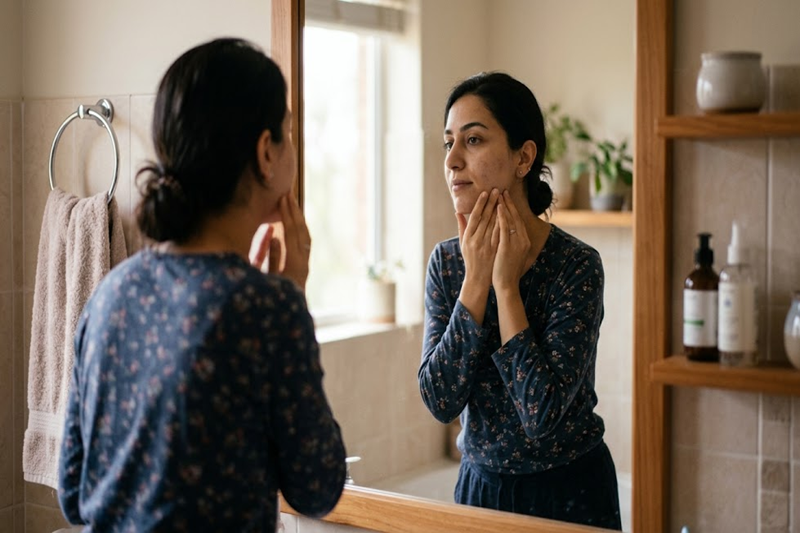
There is no single timeline for postpartum skin recovery.
Some changes, such as dryness or temporary pigmentation, may improve relatively quickly. Other concerns, including melasma, stretch marks, and changes in skin firmness, may remain visible for much longer.
For this reason, it is usually better to evaluate the skin based on the specific concern rather than expecting every postpartum change to disappear within a fixed number of weeks or months.
When Should You Consider Treatment?
You may want to consider professional treatment if a postpartum skin concern:
- Remains noticeable after your body has had time to recover
- Continues to worsen rather than improve
- Significantly bothers you cosmetically
- Has not responded to an appropriate skincare routine
- Involves persistent pigmentation, acne, stretch marks, or skin laxity
The appropriate treatment depends on the condition, your skin type, how long the change has been present, and whether you are pregnant or breastfeeding.
A personalized assessment can help determine whether treatment is appropriate and what results can realistically be expected.
When Should You See a Doctor About Postpartum Skin Changes?
Most postpartum skin changes are not a cause for concern. However, you should seek medical advice if you develop a new, rapidly changing, painful, or unusual skin lesion, or if you experience severe or persistent itching, inflammation, or a widespread rash.
A professional assessment can help distinguish a normal postpartum change from a skin condition that requires treatment.
Frequently Asked Questions
What are the most common postpartum skin changes?
Do postpartum stretch marks go away?
Does postpartum pigmentation go away?
Can postpartum melasma be treated?
Can I have skin treatments while breastfeeding?
When should I treat postpartum skin changes?
Final Thoughts
Postpartum skin changes are a normal part of the body’s adjustment after pregnancy. Stretch marks, pigmentation, melasma, acne, dryness, and changes in skin firmness can all occur, and some may gradually improve without treatment.
Understanding postpartum skin changes explained can help you distinguish between changes that may simply need time and concerns that could benefit from professional care. If a skin change persists or continues to bother you, a personalized evaluation can help you understand your options and set realistic expectations for treatment.

Leave a Comment