
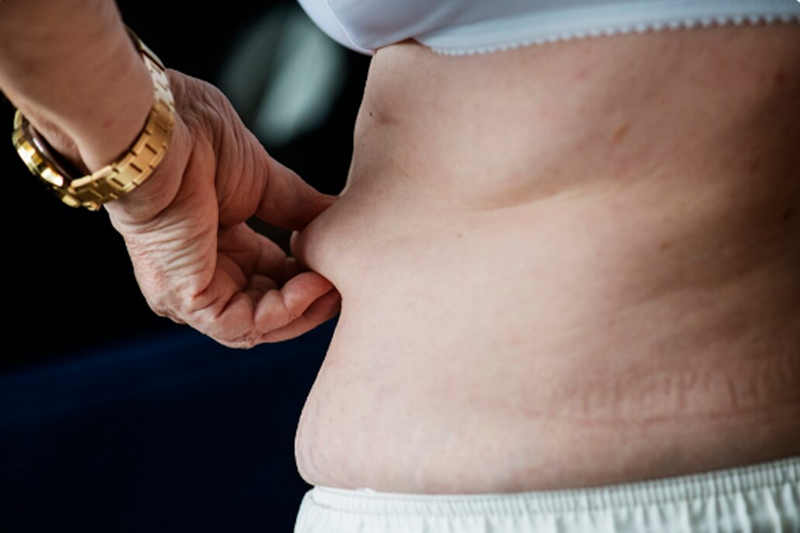
Losing excess weight can significantly change your body shape, but it may also leave behind loose skin after weight loss. When skin has been stretched for a long time, it may not fully return to its previous size and shape, particularly after significant weight loss.
While severe excess skin may require surgical removal, people with mild to moderate skin laxity may be able to improve firmness and body contours with non-surgical treatments. Understanding the difference between loose skin and excess skin can help you choose the right approach.
Why Does Loose Skin Happen After Weight Loss?
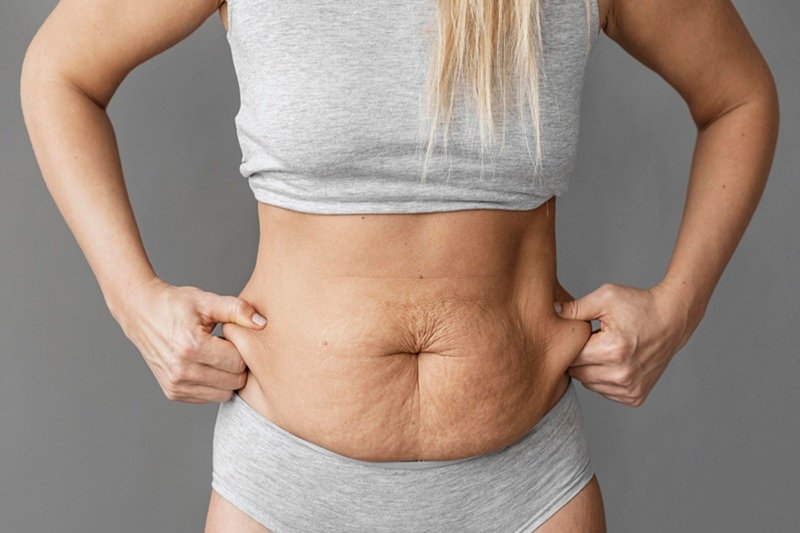
Skin contains collagen and elastin, which help it maintain its structure and elasticity. When the body gains weight, the skin stretches to accommodate the increased volume. After substantial weight loss, the skin may not have enough elasticity to contract completely around the smaller body.
Several factors can affect how much loose skin remains, including:
- The amount of weight lost
- How quickly the weight was lost
- Age
- Genetics
- Skin elasticity
- Duration of being overweight
- Sun exposure
- Smoking
Loose skin after weight loss can appear on the abdomen, upper arms, thighs, breasts, buttocks, and other areas of the body. After significant weight loss, stretched skin may lose elasticity and fail to shrink back completely.
Online Aesthetic Consultation
Book an Online Aesthetic Consultation with Dr. Elham to discuss your goals and choose the most suitable option for you.
Will Loose Skin Tighten Naturally After Weight Loss?
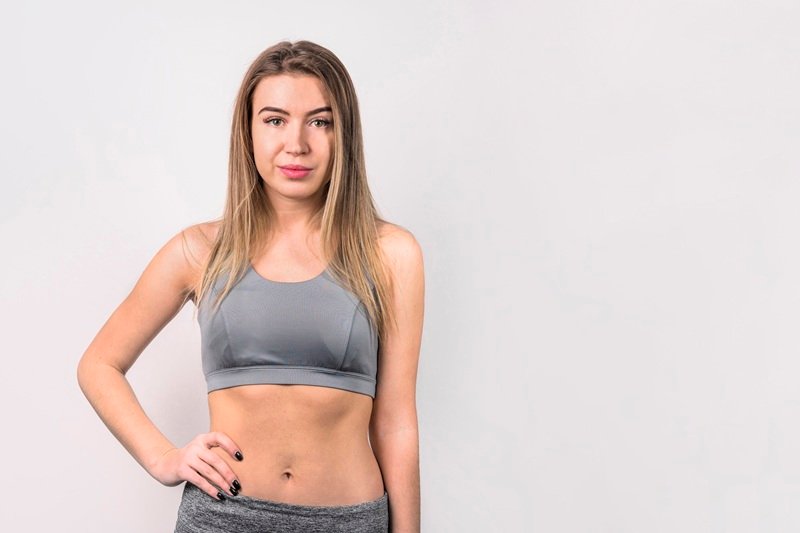
Some skin may gradually become firmer after weight loss, particularly when the skin still has good elasticity. However, there is no guaranteed way to make significantly stretched skin return completely to its original shape.
Maintaining a stable weight, eating a balanced diet, getting adequate protein, exercising regularly, and protecting your skin from excessive sun exposure can support overall skin health. Strength training may also improve the appearance of loose areas by developing muscle underneath the skin.
However, these lifestyle measures cannot remove large amounts of excess skin. If the skin hangs significantly or forms large folds, a medical evaluation may be more appropriate
Non-Surgical Treatments for Loose Skin After Weight Loss
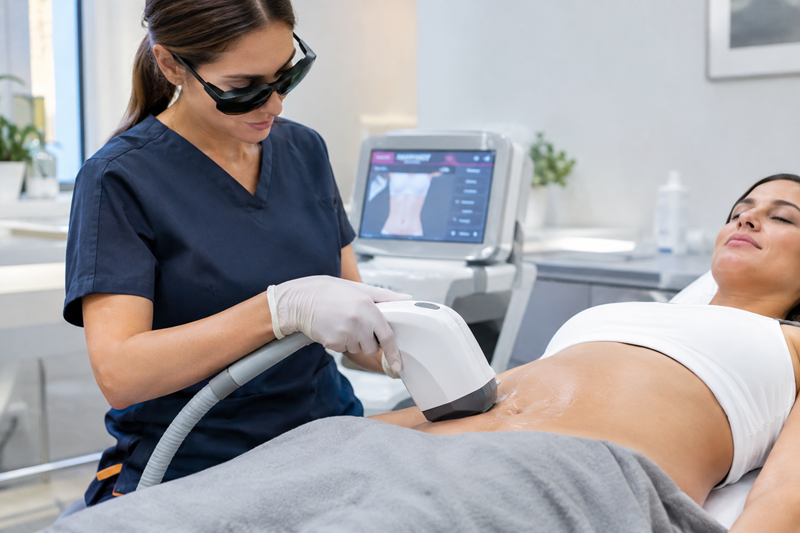
Non-surgical skin-tightening treatments are primarily designed to improve skin firmness and laxity, rather than remove excess skin. They may be suitable for people with mild to moderate looseness who want to improve their body contours without surgery.
Radiofrequency Skin Tightening
Radiofrequency (RF) treatments use controlled energy to heat targeted layers of tissue. This can stimulate collagen remodeling and may gradually improve the firmness and appearance of lax skin.
RF-based treatments can be used on different areas of the body, depending on the technology and the individual’s skin condition.
Ultrasound-Based Skin Tightening
Ultrasound-based treatments deliver focused energy into deeper tissue layers. The controlled thermal effect can stimulate collagen remodeling and may help improve mild to moderate skin laxity.
The appropriate treatment depends on factors such as the treatment area, skin quality, degree of laxity, and individual goals.
Microneedling and Collagen-Stimulating Treatments
Microneedling creates controlled micro-injuries in the skin, triggering a healing response that can stimulate collagen production. It may improve skin texture and firmness, although its suitability for body skin laxity depends on the specific area and condition of the skin.
A qualified aesthetic doctor can determine whether microneedling or another collagen-stimulating treatment is appropriate for your concerns.
How to Choose the Right Treatment for Loose Skin
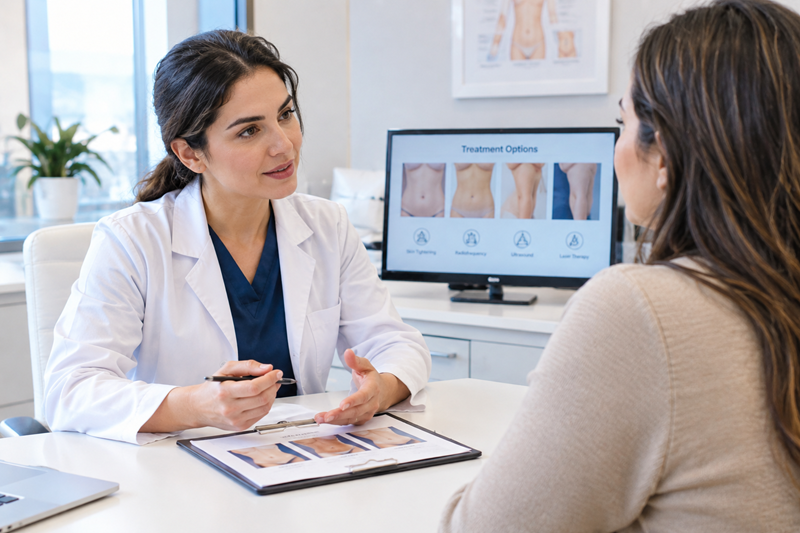
The most suitable treatment depends on how much loose skin you have, where it is located, and how elastic your skin remains.
Non-surgical treatments may be considered when:
- Skin laxity is mild to moderate
- There is no large amount of hanging excess skin
- You want to improve firmness without surgery
- Your weight is relatively stable
- You have realistic expectations about the results
For people considering professional treatment, Body Skin Tightening in Dubai may be an option to discuss with an aesthetic doctor. A consultation can help determine whether non-surgical tightening is appropriate for your degree of skin laxity.
Can Exercise Get Rid of Loose Skin After Weight Loss?
Exercise cannot physically remove excess skin. However, resistance training can help build or preserve muscle beneath the skin, which may make certain areas appear more toned and defined.
A combination of strength training, adequate nutrition, and maintaining a stable weight can support your overall body composition. However, it is important to distinguish between improving muscle definition and actually removing excess skin.
If you have significant hanging skin, exercise alone is unlikely to eliminate it.
When Is Surgery Considered for Excess Skin?
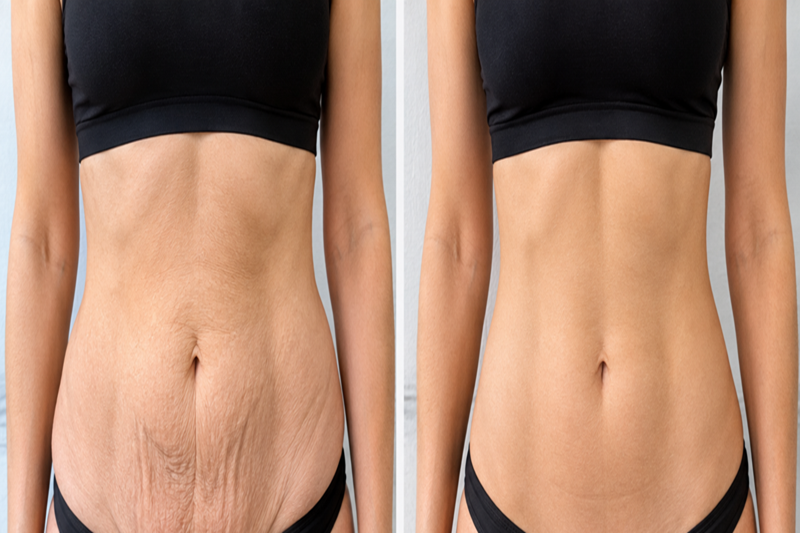
Non-surgical treatments are not designed to remove substantial amounts of excess skin. When skin hangs significantly after major weight loss, surgical body contouring may be considered.
Depending on the affected area, procedures can include:
- Tummy tuck (abdominoplasty)
- Arm lift (brachioplasty)
- Thigh lift
- Lower body lift
- Breast lift
Body-contouring surgery removes excess skin and can reshape areas affected by substantial weight loss.
This does not mean surgery is necessary for everyone with loose skin. The appropriate approach depends on the amount of excess tissue, skin quality, overall health, and individual goals.
What Results Can You Expect From Non-Surgical Skin Tightening?

Non-surgical skin tightening is intended to produce a gradual improvement in firmness and skin laxity, rather than an immediate removal of excess skin.
Results can vary depending on:
- The treatment technology used
- Degree of skin laxity
- Skin elasticity
- Treatment area
- Number of sessions
- Individual response to treatment
It is important to have realistic expectations. Non-surgical treatments may improve the appearance of mild to moderate laxity, but they cannot replicate the skin removal achieved through body-contouring surgery.
Frequently Asked Questions
Does loose skin go away after weight loss?
How can I tighten loose skin after weight loss?
What is the best treatment for loose skin after weight loss?
Can non-surgical treatments remove excess skin?
How long does it take for loose skin to tighten after weight loss?
Final Thoughts
Loose skin after weight loss is a common concern, particularly after substantial weight reduction. While some skin may naturally become firmer over time, significant laxity may not completely resolve on its own.
For mild to moderate skin laxity, non-surgical treatments such as radiofrequency and ultrasound-based skin tightening may help improve firmness and body contours. When there is a large amount of hanging excess skin, surgical body contouring may be a more appropriate option.
The right treatment should be determined after evaluating your skin elasticity, the amount of excess skin, treatment area, and personal goals.



Leave a Comment