
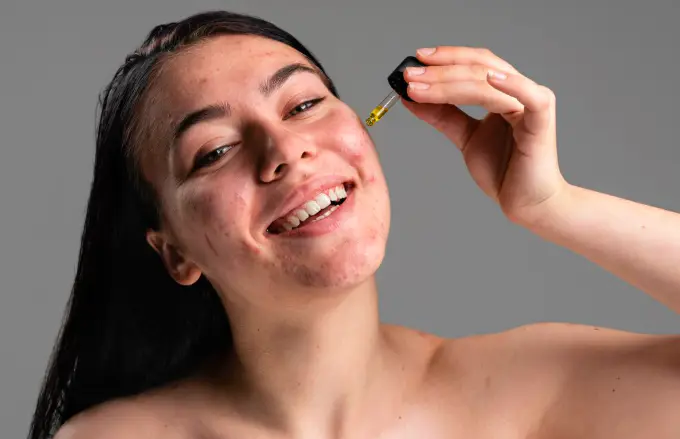
Acne can disappear, but the marks and scars it leaves behind may remain for much longer. Uneven texture, depressed scars, dark spots, and changes in skin tone can all affect the appearance of the skin after active acne has cleared.
At Dr. Elham's clinic in Dubai, acne scar treatment is selected according to the type of scar, skin condition, pigmentation, sensitivity, and individual treatment goals.
Rather than using the same procedure for every patient, the approach focuses on matching the treatment to the specific type of acne-related skin change.
What Are Acne Scars?
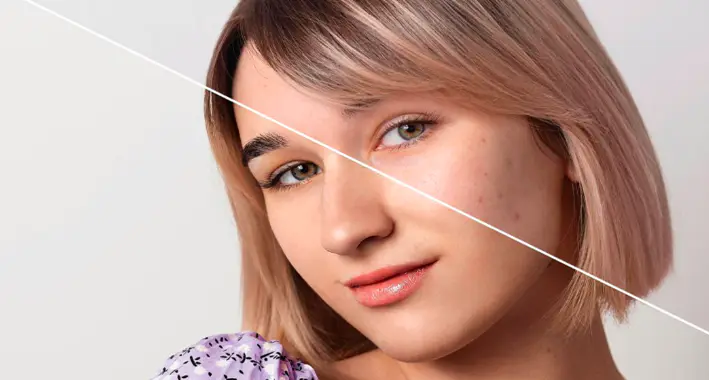
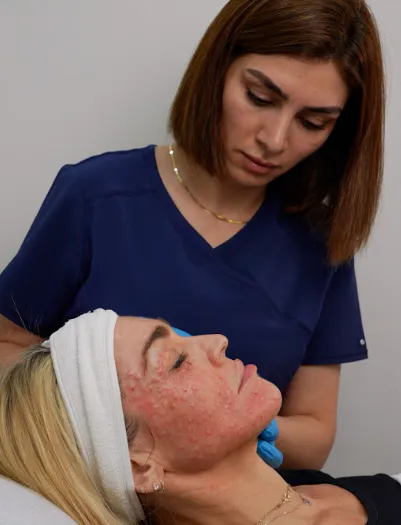
Acne scars develop when inflammation from acne affects the deeper layers of the skin and interferes with normal healing.
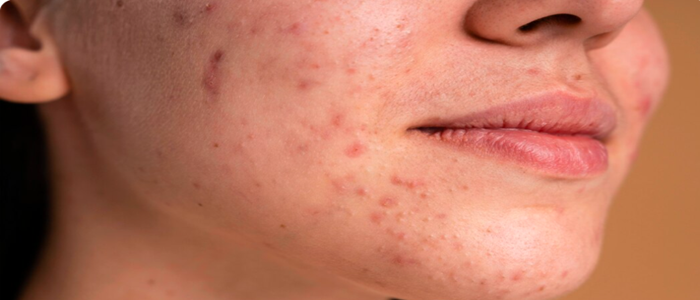
They can appear in different forms, including:
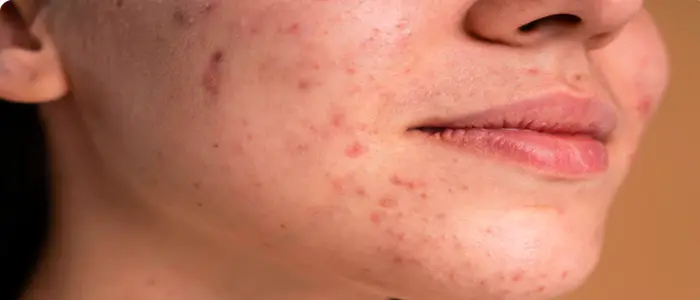
Not every mark left after acne is a true scar. Understanding this difference is important because post-acne marks treatment in Dubai may require a different approach from treatment designed to improve depressed or textured scars.
Acne Scars vs. Post-Acne Marks
One of the first steps in choosing an appropriate treatment is identifying whether you have a scar or a post-acne mark. Because these concerns are different, the treatment approach should also be different.
Acne Scars
- ✓ Involve a change in the skin's texture or structure
- ✓ Appear as depressions or uneven areas
- ✓ Remain even when inflammation has resolved
- ✓ May require procedures targeting deeper skin layers
Post-Acne Marks
- – Generally flat changes in skin color
- – Appear as brown, red, or darker areas
- – Develop after a breakout has healed
- – May respond to topical and pigmentation-focused treatments
Treating discoloration as though it were a structural scar may not produce the desired result. A professional assessment helps determine the right approach.
Online Consultation for Acne Scar Treatment
Book an Online Aesthetic Consultation with Dr. Elham to discuss Acne Scar Treatment and choose the most suitable option for your goals.

What Is the Best Treatment for Acne Scars in Dubai?
There is no single treatment that is considered the best treatment for acne scars in Dubai for every patient. The most appropriate option depends on factors such as:
The goal is not simply to choose the most intensive procedure. It is to choose an approach that provides meaningful improvement while remaining appropriate for the patient's skin.

Acne Scar Treatment Options
Different types of acne scars respond differently to treatment. Depending on your individual skin assessment, treatment options may include professional procedures and targeted skincare.
Microneedling
Microneedling uses controlled micro-injuries to stimulate the skin's natural repair process and collagen production. It may be considered for certain types of depressed acne scars and uneven skin texture. The number of sessions and treatment intensity depend on the severity of the scars and how your skin responds.
Chemical Peels
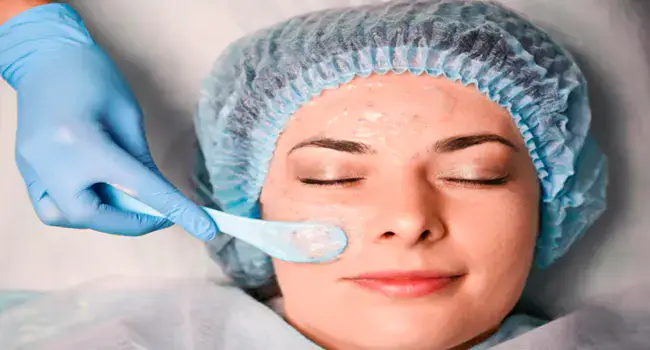
Professional chemical peels use selected acids to exfoliate the skin and encourage renewal. They may be useful for certain superficial acne marks, uneven tone, and texture. However, the type and strength of the peel should be selected carefully, particularly for sensitive or pigmentation-prone skin.
Laser-Based Treatments
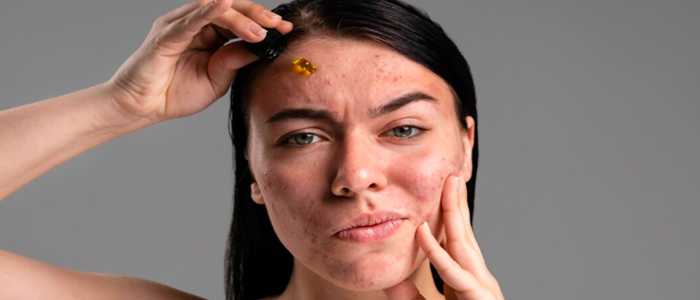
Certain laser treatments can target specific aspects of acne scarring, including uneven texture and discoloration. Laser suitability depends heavily on skin type and pigmentation risk. A treatment that is appropriate for one skin tone may not be the right choice for another.

Targeted Skincare
Skincare can play an important role alongside professional acne scar treatments. Depending on the concern, a dermatologist may recommend ingredients that support skin renewal, pigmentation management, or overall skin health. Skincare alone may not fully correct deeper structural scars, but it can be an important part of a broader treatment strategy.

Acne Scars on Dark Skin: Treatment Considerations
Treating acne scars on dark skin requires particular attention to pigmentation. Darker skin tones can be more prone to developing post-inflammatory hyperpigmentation after acne or certain cosmetic procedures. This means that treatment intensity, device selection, and aftercare need to be considered carefully.
A suitable treatment plan may focus on improving scars while minimizing unnecessary inflammation and the risk of additional pigmentation.
For patients with darker skin tones, the most aggressive treatment is not automatically the safest or most effective option.
Acne Scar Treatment for Sensitive Skin
Sensitive skin can require a more gradual approach to acne scar treatment. If your skin reacts easily to skincare products or professional procedures, treatment may need to be adjusted according to your tolerance.
This can include:
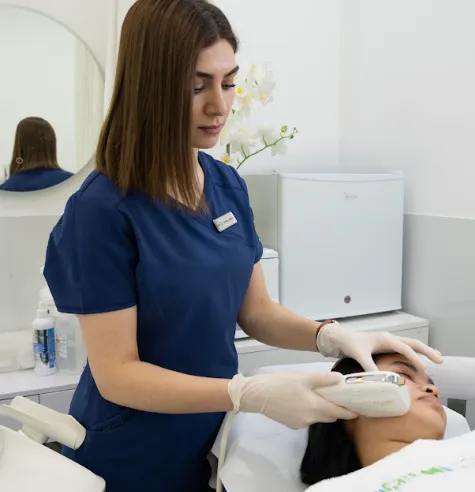
Acne scar treatment for sensitive skin should focus on improving the scar without unnecessarily compromising the skin barrier.
When Should You Consider Acne Scar Treatment?
You may consider professional acne scar treatment if:
- Your acne has largely cleared but scars remain
- Depressed scars affect your skin texture
- Your skin looks uneven after previous acne breakouts
- Dark marks remain after acne heals
- Over-the-counter products have not improved the appearance of your scars
- You are unsure whether you have acne scars or post-acne pigmentation
- You want to explore professional treatment options based on your skin type
If active acne is still present, controlling ongoing breakouts may also be important before focusing primarily on scar correction.
Acne Scar Consultation in Dubai
An acne scar consultation in Dubai helps identify your scar type or post-acne discoloration and which treatments may suit you. Dr. Elham reviews scar severity, skin tone, pigmentation risk, sensitivity, previous treatments, and your goals so the plan fits your skin—not a one-size-fits-all protocol.
If you are unsure about the type of scarring you have, a skin consultation in Dubai can clarify the most appropriate next step.
Online Consultation for Acne Scar Treatment
Book an Online Aesthetic Consultation with Dr. Elham to discuss Acne Scar Treatment and choose the most suitable option for your goals.
Why Choose Dr. Elham for Acne Scar Treatment?
Dr. Elham takes an individualized approach to acne scar treatment, recognizing that different scar types and skin tones can require different strategies.
Rather than recommending the same procedure for every patient, she considers the structure of the scars, pigmentation, sensitivity, and overall condition of the skin when developing a treatment plan.
This personalized approach is particularly important for patients with dark skin or sensitive skin, where treatment selection and control of inflammation can be important factors in reducing unwanted pigmentation.
Frequently Asked Questions
Can acne scars be completely removed?
Complete removal is not always possible, particularly with deeper structural scars. However, appropriate treatment can improve their appearance, texture, and visibility.
What is the best treatment for acne scars?
There is no single best treatment for everyone. The appropriate option depends on the type of scar, skin tone, sensitivity, pigmentation risk, and individual treatment goals.
Are acne scars and dark acne marks the same?
No. Acne scars usually involve a structural or textural change in the skin, while post-acne marks are generally changes in pigmentation without a change in skin texture.
Can dark skin be treated for acne scars?
Yes. Acne scar treatments can be performed on darker skin tones, but treatment selection should take pigmentation risk into consideration. A carefully selected approach can help reduce the risk of post-inflammatory hyperpigmentation.
What is the best acne scar treatment for sensitive skin?
There is no universal treatment for sensitive skin. The appropriate option depends on the individual's sensitivity, scar type, and skin condition. Treatment may need to be introduced gradually and at an appropriate intensity.
How many acne scar treatment sessions will I need?
The number of sessions varies depending on the type and severity of scarring and the treatment selected. During your assessment, Dr. Elham can recommend an appropriate treatment plan.
Can skincare treat acne scars?
Skincare can help improve certain post-acne marks and support overall skin quality. However, deeper or structural acne scars may require professional procedures for more significant improvement.