
Fine lines and wrinkles are a normal part of skin aging, but the right skin care routine can help protect the skin, improve hydration, and reduce the appearance of some visible signs of aging.
Effective Anti-Wrinkle Skin Care is not necessarily about using the most expensive products or combining numerous active ingredients. A consistent routine built around sun protection, moisturization, and evidence-based ingredients such as retinoids can be more useful than a complicated regimen.
However, not every anti-aging ingredient is suitable for every skin type. Your skin sensitivity, existing concerns, and current products should all be considered when building a routine.
What Causes Wrinkles and Fine Lines?

Wrinkles develop as the skin changes with age. Collagen and elastin production gradually decline, while the skin becomes less resilient and may lose some of its ability to retain moisture.
Sun exposure is another major factor. Repeated exposure to ultraviolet (UV) radiation contributes to photoaging, which can appear as wrinkles, uneven pigmentation, rough texture, and loss of skin elasticity.
Other factors that may contribute to visible skin aging include:
- Repeated facial movements
- Smoking
- Environmental exposure
- Dry or dehydrated skin
- Changes in skin structure associated with natural aging
Because wrinkles have multiple causes, an effective routine should focus on both prevention and skin renewal, rather than relying on a single product.
Online Aesthetic Consultation
Book an Online Aesthetic Consultation with Dr. Elham to discuss your goals and choose the most suitable option for you.

What Should an Anti-Wrinkle Skin Care Routine Include?
A practical anti-wrinkle routine usually starts with four basic steps: cleansing, moisturizing, sun protection, and a targeted active ingredient when appropriate.
1. Sunscreen

Daily sun protection is one of the most important parts of an anti-aging routine. UV exposure contributes to collagen breakdown and other changes associated with premature skin aging.
Use a broad-spectrum sunscreen with SPF 30 or higher every morning. Reapply when necessary, particularly after swimming, sweating, or prolonged outdoor exposure.
Sunscreen cannot erase existing wrinkles, but regular UV protection can help reduce additional photoaging.
2. Retinoids and Retinol
Retinoids are among the most studied topical ingredients for photoaging. Prescription retinoids such as tretinoin have been shown in clinical research to improve signs of photodamage, including fine and coarse wrinkles.
Retinol, which is available in many cosmetic skin care products, is a less potent retinoid derivative. It may also help improve the appearance of fine lines and skin texture, although its effects and tolerability can vary depending on the formulation and concentration.
Retinoids can cause dryness, redness, peeling, or irritation, particularly when first introduced. Starting gradually and using an appropriate moisturizer can help improve tolerance.
Prescription retinoids should be used according to a qualified healthcare professional’s advice.
Reference: Sitohang IBS, et al. Topical tretinoin for treating photoaging: A systematic review of randomized controlled trials. International Journal of Women’s Dermatology, 2022. Full article
3. Vitamin C
Vitamin C is an antioxidant commonly used in morning skin care routines. It can help protect skin from oxidative stress and plays a role in collagen synthesis.
Vitamin C may be particularly useful when concerns include both early signs of aging and uneven skin tone. However, the effectiveness of a product depends on its formulation, concentration, stability, and how consistently it is used.
Vichy Liftactiv Supreme Vitamin C Brightening Serum contains 16% pure vitamin C along with vitamin E and carnosine, making it an option for addressing dullness, uneven skin tone, and visible signs of skin aging.
4. Moisturizers and Hydrating Ingredients
Hydration is an important part of maintaining a healthy skin barrier. Ingredients such as glycerin, hyaluronic acid, and ceramides can help support skin hydration and reduce moisture loss.
A moisturizer will not rebuild lost collagen or remove established wrinkles, but well-hydrated skin can look smoother and fine dehydration lines may appear less noticeable.
Clinique Moisture Surge™ 100H Auto-Replenishing Hydrator contains hyaluronic acid and aloe bioferment and is formulated to provide long-lasting hydration, making it a suitable example of a moisturizer focused on maintaining skin hydration.
5. Peptides
Peptides are another common ingredient in anti-aging skin care products. Different peptides have different proposed mechanisms and levels of supporting evidence.
They may be incorporated into a routine focused on improving the appearance of firmness and fine lines, but they should be viewed as one part of a broader skin care approach rather than a replacement for sunscreen or evidence-based retinoid therapy.
The Ordinary Multi-Peptide + HA Serum contains multiple peptide complexes along with hyaluronic acid and is formulated to target the appearance of fine lines, improve the look of skin elasticity, and support a smoother skin texture.
How to Choose Anti-Wrinkle Skin Care for Your Skin
The right Anti-Wrinkle Skin Care routine depends on your skin type, sensitivity, and specific concerns. Instead of using multiple active ingredients at once, choose products that address your individual needs.
| Skin Type or Concern | What to Look For |
|---|---|
| Dry skin | Moisturizers containing ceramides, glycerin, or hyaluronic acid |
| Oily or acne-prone skin | Lightweight, non-comedogenic formulations |
| Sensitive skin | Gentle products and gradual introduction of active ingredients |
| Uneven skin tone or sun damage | Broad-spectrum sunscreen and antioxidant ingredients |
| Fine lines and photoaging | Retinoids or other evidence-based anti-aging ingredients |
If you are unsure which ingredients are suitable for your skin, a professional Skincare Consultation in Dubai can help assess your skin concerns and determine an appropriate skin care approach.
What Should You Avoid When Using Retinoids?
Retinoids can be effective, but they are not suitable for everyone or every situation.
When using a retinoid:
- Introduce it gradually rather than applying it excessively.
- Use moisturizer to help manage dryness.
- Avoid increasing the frequency if your skin is already irritated.
- Use sunscreen consistently during the day.
- Be cautious about combining it with other irritating active ingredients.
- Follow professional guidance when using prescription retinoids.
If you are pregnant, planning pregnancy, or breastfeeding, ask your healthcare provider before using a retinoid. The suitability of specific products can depend on the situation, so professional advice is important.
Online Aesthetic Consultation
Book an Online Aesthetic Consultation with Dr. Elham to discuss your goals and choose the most suitable option for you.
A Simple Anti-Wrinkle Skin Care Routine
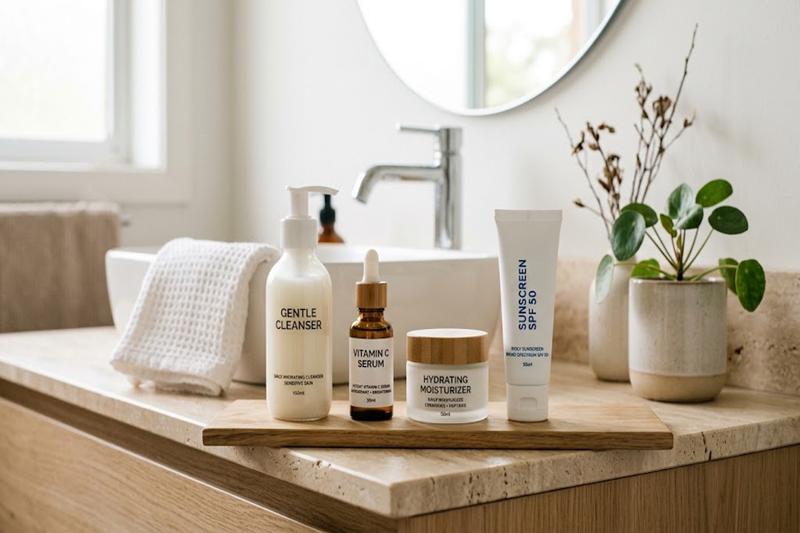
You do not need a long list of products to build an effective routine.
Morning
- Gentle cleanser – Clean the skin without excessive dryness.
- Vitamin C or another suitable antioxidant – If appropriate for your skin.
- Moisturizer – Choose a formula suited to your skin type.
- Broad-spectrum SPF 30 or higher – Apply as the final morning skin care step.
Evening
- Gentle cleanser – Remove sunscreen, makeup, and daily buildup.
- Retinoid or another targeted active – Use according to your skin’s tolerance and professional advice.
- Moisturizer – Support hydration and the skin barrier.
If your skin becomes persistently red, painful, or irritated, reduce or stop the irritating product and seek professional advice rather than adding more products.
Frequently Asked Questions
When Should You Start Using Anti-Wrinkle Skin Care?
Can You Use Multiple Anti-Aging Ingredients Together?
Can Skin Care Products Remove Wrinkles?
When Should You Consider a Professional Skin Care Consultation?
What Is the Best Anti-Wrinkle Ingredient?
Can Moisturizer Reduce Wrinkles?
Is Sunscreen Necessary for Wrinkle Prevention?
Can You Use Retinol and Vitamin C Together?
How Long Does Anti-Wrinkle Skin Care Take to Work?
Conclusion
Effective Anti-Wrinkle Skin Care is based on consistency rather than using as many products as possible. Daily sunscreen, adequate hydration, and carefully selected active ingredients can help protect the skin and improve the appearance of fine lines and other signs of photoaging.
Retinoids have some of the strongest clinical evidence for improving photoaged skin, but they can also cause irritation and are not appropriate for everyone.
The right routine ultimately depends on your skin type, concerns, and tolerance. When choosing products becomes confusing or over-the-counter skin care is not addressing your concerns, a professional skin care consultation can help create a more targeted approach.



Leave a Comment