

Have you ever wondered why your skin suddenly feels dry, tight, or more sensitive even when you use skincare products regularly?
Your skin barrier helps retain moisture and protect your skin from external irritants. However, everyday habits such as over-exfoliating, using too many active ingredients, or cleansing too aggressively can weaken it.
Understanding the skincare mistakes that damage skin barrier can help you avoid unnecessary irritation and build a simpler, healthier skincare routine.
Online Aesthetic Consultation
Book an Online Aesthetic Consultation with Dr. Elham to discuss your goals and choose the most suitable option for you.

What Is the Skin Barrier?

The skin barrier is the outermost part of the epidermis, especially the stratum corneum. It contains skin cells, lipids, and natural moisturizing factors that help keep moisture in and protect the skin from external irritants.
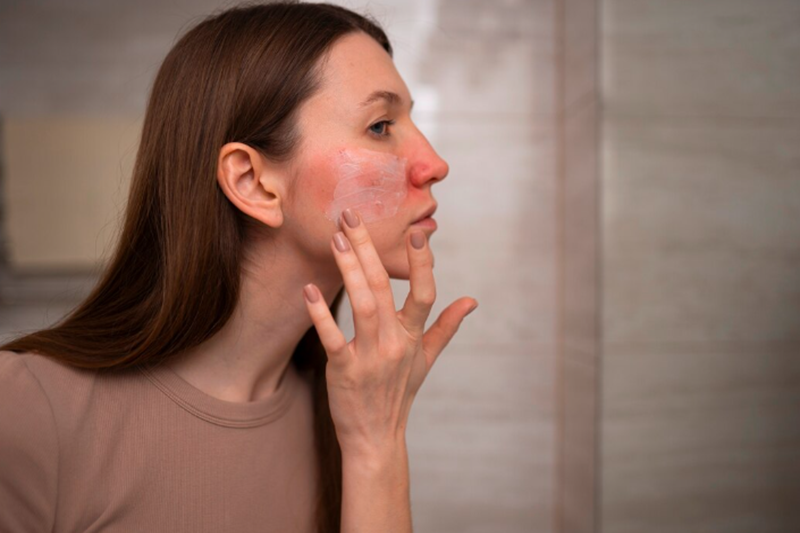
When the barrier is healthy, skin is better able to maintain hydration and tolerate everyday environmental exposure and skincare products. When it becomes damaged, water escapes more easily, which can lead to dryness, roughness, tightness, redness, and increased sensitivity.
A healthy skin barrier is important for every skincare routine, including hydration, acne care, pigmentation, and anti-aging. If the barrier is already irritated, even otherwise effective skincare ingredients may become harder to tolerate.
5 Common Skincare Mistakes That Damage Skin Barrier

There are many habits that can contribute to barrier disruption, but five are especially common.
1. Over-Exfoliating the Skin
Exfoliation can help remove dead skin cells, but doing it too often or too aggressively can irritate the skin and weaken its barrier.
Using multiple exfoliating products or combining exfoliating acids with other strong treatments can increase irritation. Physical scrubs may also add unnecessary friction.
What to do: There is no universal exfoliation schedule. Consider your skin type, product strength, and overall routine. If your skin becomes unusually dry, tight, burning, or sensitive, reduce exfoliation and let your skin recover before gradually reintroducing it.
2. Using Too Many Active Ingredients
Active ingredients can target specific skin concerns, but using several potentially irritating treatments at once can make a routine too harsh.
Retinoids, exfoliating acids, and benzoyl peroxide may all cause dryness or irritation, particularly when introduced too quickly or combined without considering overall skin tolerance.
What to do: Introduce strong products gradually and avoid adding several new active ingredients at the same time. Using potentially irritating treatments on different days may also make them easier to tolerate.
3. Cleansing Too Aggressively
Cleansing helps remove dirt, sunscreen, makeup, and excess oil. However, harsh cleansers, very hot water, frequent washing, and vigorous scrubbing can leave the skin feeling stripped and uncomfortable.
What to do: Choose a gentle cleanser suited to your skin type and use lukewarm water. Avoid rubbing the skin aggressively, and gently pat your face dry with a soft towel.
4. Skipping Moisturizer
Oily or acne-prone skin still needs adequate hydration. Skipping moisturizer can increase dryness and discomfort, especially when using exfoliating products or acne treatments.
What to do: Use a moisturizer that suits your skin type. Humectants, emollients, occlusive ingredients, and ceramides can help support hydration and skin barrier function.
5. Changing Skincare Products Too Frequently
Trying new products too often can make it difficult to understand what is helping or irritating your skin. Introducing several products at once also exposes the skin to multiple unfamiliar ingredients.
What to do: Add one significant new product at a time and give your skin time to adjust before making another major change. A simpler routine can make your skin’s response easier to understand.
Other Habits That Can Stress the Skin Barrier

Other Factors That Can Affect the Skin Barrier
Not all skin barrier problems are caused by skincare products. Environmental and lifestyle factors can also increase dryness and irritation.
Very hot water, frequent scrubbing, cold weather, low humidity, and indoor heating can make the skin feel drier or more uncomfortable.
Use lukewarm water, avoid aggressive scrubbing, and adjust your routine when the weather becomes particularly dry.
Signs of a Damaged Skin Barrier
A compromised skin barrier may cause several noticeable changes, including:
- Dryness or flaking
- Tightness
- Rough texture
- Redness
- Burning or stinging
- Increased sensitivity
- Discomfort when applying skincare products
One symptom alone does not necessarily mean your skin barrier is damaged. However, several symptoms appearing together may indicate that your routine is too irritating.
Skin Barrier Repair Tips
If your skin feels irritated, simplify your routine and focus on the basics.
Use a gentle cleanser, moisturize consistently, and avoid unnecessary exfoliation or other irritating treatments until your skin feels more comfortable.
If a specific active ingredient seems to be causing irritation, reduce its frequency or pause it temporarily. Once your skin has recovered, you can gradually reassess whether the product is suitable for your routine.
Daily broad-spectrum sunscreen is also important for protecting the skin from ultraviolet radiation.
The goal of skin barrier repair tips is not to eliminate every skincare product. It is to reduce unnecessary irritation while giving the skin the support it needs to maintain hydration and protection.
How to Build a Barrier-Friendly Skincare Routine
How to Build a Barrier-Friendly Skincare Routine
Online Aesthetic Consultation
Book an Online Aesthetic Consultation with Dr. Elham to discuss your goals and choose the most suitable option for you.
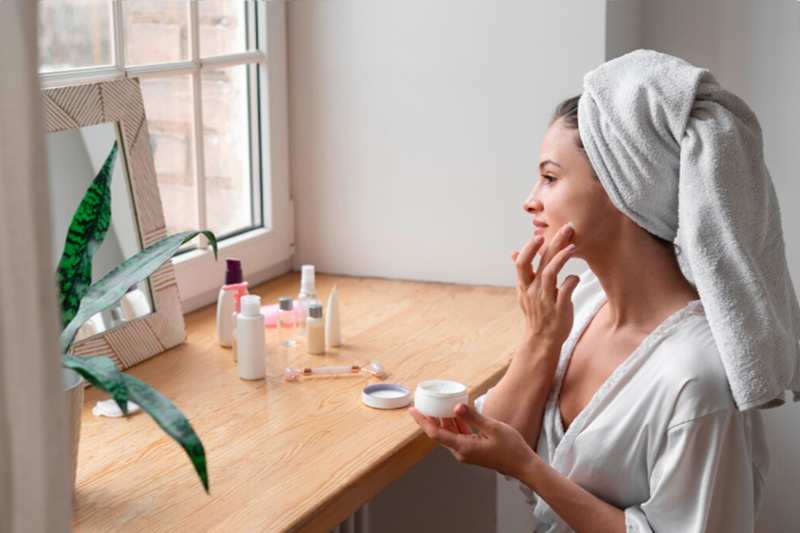
A barrier-friendly routine does not need many products. The focus should be on gentle cleansing, hydration, appropriate treatments, and daily sun protection.
Morning
- Cleanse: Use a gentle cleanser if needed, especially if your skin feels oily after waking.
- Moisturize: Apply a moisturizer suited to your skin type.
- Protect: Finish with a broad-spectrum sunscreen.
Evening
- Cleanse: Remove sunscreen, makeup, oil, and daily buildup.
- Treat: Use a targeted treatment only if your skin tolerates it.
- Moisturize: Apply moisturizer to support hydration overnight.
Keeping your routine simple makes it easier to identify potential sources of irritation. As your skin becomes more comfortable, you can gradually introduce additional products when they are needed.
What About Medical-Grade Skincare?
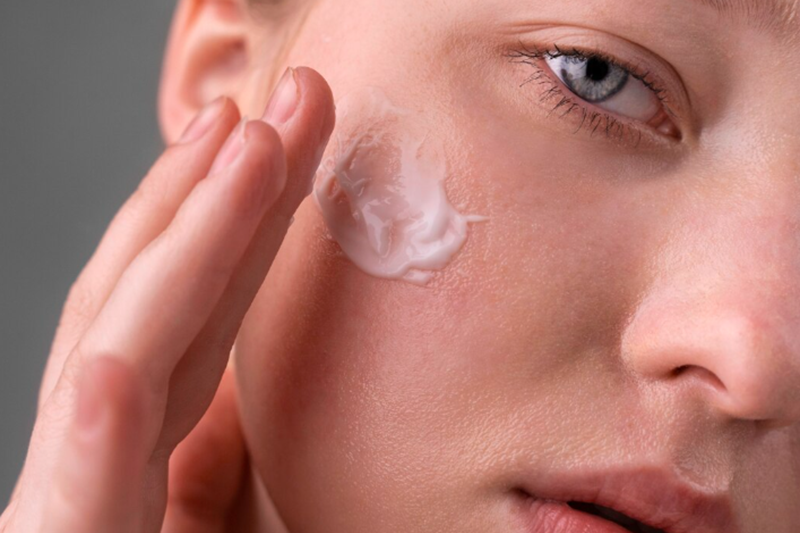
Medical-Grade Skincare may contain formulations designed around specific skincare concerns.
However, the term itself should not be treated as a guarantee that a product is automatically better for every person.
Product formulation, ingredients, concentration, intended use, and individual tolerance are more useful factors to consider.
A highly active product can still be inappropriate if it is too irritating for your skin.
HowHow to Prevent Skincare Mistakes That Damage Skin Barrier
A simple routine makes it easier to prevent irritation and identify what may be affecting your skin.
Start with essential products and add treatments only when you have a specific reason to use them. Avoid changing several major products at the same time, and pay attention to signs such as persistent dryness, burning, tightness, or sensitivity.
If irritation develops, simplify your routine temporarily. A gentle cleanser, moisturizer, and sunscreen may be enough until your skin feels comfortable again. Targeted treatments can be reintroduced gradually once your skin has stabilized.
Skincare Ingredients That Support Barrier Health
Some ingredients can help maintain hydration and support the skin barrier:
- Ceramides: Lipids naturally found in the skin that help support its protective barrier.
- Humectants: Ingredients such as glycerin and hyaluronic acid that attract and retain water in the skin.
- Emollients: Ingredients that soften and smooth the skin’s surface, which can be useful for dry or rough skin.
- Occlusives: Ingredients that help reduce water loss from the skin’s surface and provide additional protection against dryness.
The right combination depends on your skin type, current condition, and tolerance. A well-formulated moisturizer may contain several of these ingredient types to support hydration and barrier function.
When Should You Change Your Skincare Routine?
Frequently Asked Questions
What are the most common skincare mistakes that damage skin barrier?
How can I tell if my skincare routine is too irritating?
How can I support my skin barrier?
When should I adjust my skincare routine?
Conclusion
Healthy skin does not require a complicated routine. The skincare mistakes that damage skin barrier are often linked to excessive exfoliation, too many active ingredients, aggressive cleansing, inadequate moisturization, and frequent product changes.
A balanced routine with gentle cleansing, consistent moisturization, sun protection, and carefully introduced treatments can help support the skin barrier while still addressing your skincare goals.




Leave a Comment