

If your skincare routine looks perfect on paper but your skin still isn’t improving, the problem may not be your products—it may be that the routine isn’t right for your skin.
A personalized skincare routine considers your skin type, concerns, sensitivity, and goals instead of following the same products and steps as everyone else. Whether you are dealing with acne, dryness, pigmentation, sensitivity, or early signs of aging, understanding what your skin actually needs is the first step toward building an effective routine.
In this guide, you’ll learn how to build a practical personalized skincare routine, choose products based on your skin’s needs, and introduce active ingredients safely.
How to Use a Personalized Skincare Routine
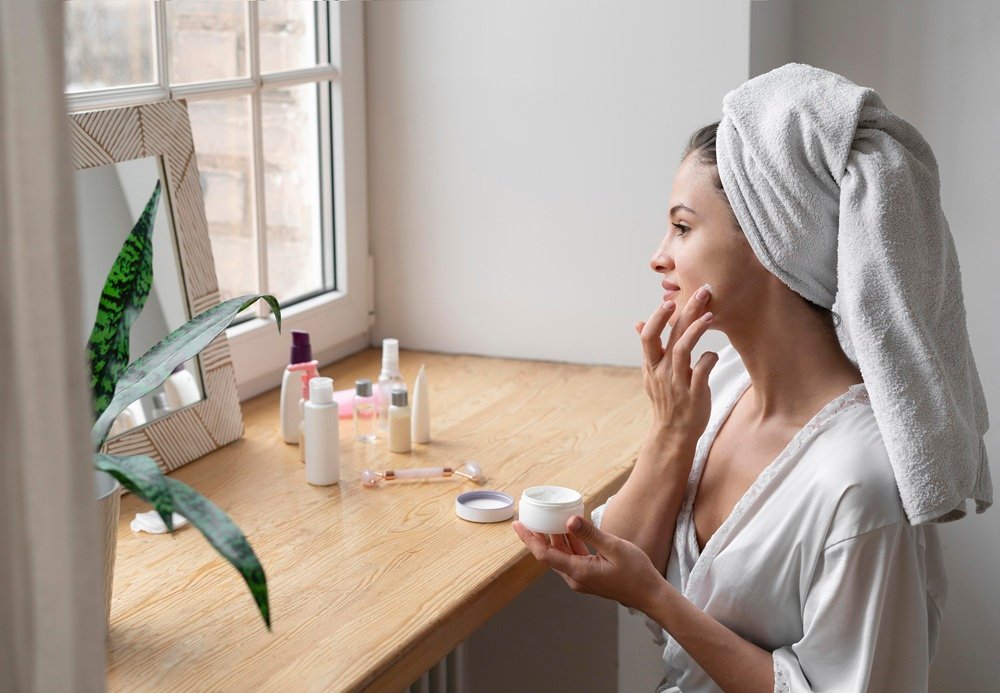
A personalized skincare routine should be based on four key factors: your skin type, main concerns, sensitivity, and skincare goals. Start with the essential basics, then add targeted products only when they serve a specific purpose.
Your routine may also need to change with your lifestyle, climate, sun exposure, or professional skin treatments.
Online Aesthetic Consultation
Book an Online Aesthetic Consultation with Dr. Elham to discuss your goals and choose the most suitable option for you.

Step 1: Understand Your Skin Type
Before choosing products, identify your skin type and how your skin typically responds to products. Common categories include oily, dry, combination, normal, and sensitive skin. However, skin type is only the starting point; your specific concerns and sensitivity also matter.
Oily Skin

Oily skin tends to produce more sebum and may appear shiny, particularly through the T-zone.
It may also be more prone to:
- Clogged pores
- Blackheads and whiteheads
- Acne breakouts
- Enlarged-looking pores
A routine for oily skin generally benefits from gentle cleansing and lightweight hydration. Oily skin still needs moisturizer, as over-cleansing can cause dryness and irritation.
Dry Skin

Dry skin produces less oil and may feel tight, rough, flaky, or uncomfortable.
A routine for dry skin usually emphasizes:
- Gentle cleansing
- Hydration
- Moisturization
- Skin-barrier support
- Consistent sun protection
Ingredients such as glycerin and ceramides can be useful in many moisturizing formulations, but product selection should still take individual sensitivity and skin condition into account.
Combination Skin
Combination skin typically has an oilier T-zone with normal or dry cheeks. A balanced approach may use lightweight products across the face while addressing specific areas with different textures when needed.
Sensitive Skin
Sensitive skin can react more easily to certain skincare products or environmental factors.
Possible signs include:
- Redness
- Burning
- Stinging
- Itching
- Tightness
- Irritation after applying products
For sensitive skin, starting with a simple routine is often more practical than immediately introducing multiple active ingredients.
Step 2: Start With the Essential Skincare Basics
You do not need a complicated routine. For many people, the basic foundation consists of:
- Cleanser
- Moisturizer
- Sunscreen
Once your skin tolerates these basics, targeted products can be introduced based on specific concerns. Introducing products gradually also makes it easier to identify potential sources of irritation.
Morning and Evening Skincare Steps

Your morning and evening routines do not have to be identical.
The morning routine generally emphasizes cleansing, hydration, and protection, while the evening routine focuses on cleansing, treatment, and skin recovery.
The exact products and number of steps should depend on your skin’s needs.
Morning Skincare Steps
A practical morning routine may look like this:
1. Cleanser
Use a cleanser that removes excess oil and impurities without leaving your skin excessively dry or tight.
If your skin is very dry or sensitive, you may not need an aggressive cleanser every morning.
2. Treatment or Antioxidant Serum
Use a targeted serum only when it addresses a specific concern such as dehydration or uneven skin tone.
3. Moisturizer
Choose a moisturizer according to your skin type and current needs.
4. Sunscreen
Apply a broad-spectrum sunscreen as the final step of your morning routine. Consistent sun protection is particularly important for pigmentation, visible signs of aging, and cumulative UV exposure.
Evening Skincare Steps

An evening routine can generally follow this order:
1. Cleanser
Cleanse your skin to remove sunscreen, makeup, excess oil, and accumulated impurities.
2. Targeted Treatment
If you use an active ingredient, apply it according to the product’s instructions and your skin’s tolerance.
Depending on your needs, targeted products may contain ingredients used for concerns such as acne, pigmentation, or signs of aging.
3. Moisturizer
Finish with a moisturizer that supports hydration and the skin barrier.
You do not necessarily need to use an active treatment every night. Frequency should depend on the ingredient, formulation, and how your skin responds.
How to Build a Skincare Routine by Skin Type

Skin type is only one part of building a skincare routine. Your specific concerns and sensitivity should also guide product selection.
A practical framework looks like this:
| Skin Type | Common Priorities |
|---|---|
| Oily | Oil balance, clogged pores, acne management, lightweight hydration |
| Dry | Hydration, moisturization, barrier support, gentle cleansing |
| Combination | Balancing different areas of the face |
| Sensitive | Minimal irritation, gentle formulations, barrier support |
| Normal | Maintenance, prevention, and targeted concerns |
This is why there is no single “best skincare routine” for every person within a particular skin-type category.
Choose Products Based on Your Skin Concerns

Once you understand your skin type, consider what you actually want to improve.
Common skincare concerns include:
Acne and Clogged Pores
Acne-prone skin may benefit from carefully selected ingredients that target breakouts and clogged pores. Avoid introducing multiple acne-focused products at once to reduce the risk of irritation.
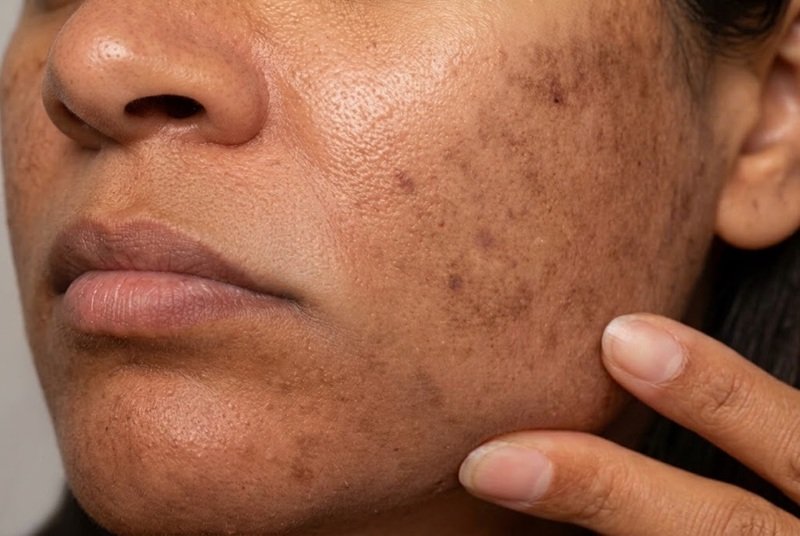
Hyperpigmentation and Uneven Skin Tone
Managing pigmentation usually requires consistent sun protection along with appropriately selected topical ingredients. Persistent or recurrent pigmentation may require professional assessment.
Dryness and Dehydration
Dryness relates primarily to a lack of oil, while dehydration refers to insufficient water in the skin. They can occur together but are not the same issue. A suitable routine may focus on hydration, moisturization, gentle cleansing, and barrier support.
Fine Lines and Visible Signs of Aging
Aging skin may benefit from consistent sun protection and carefully selected ingredients that support skin texture and appearance.
However, stronger active ingredients should be introduced gradually, particularly if your skin is sensitive.
Recommended Skincare Products for Different Skin Needs
For Gentle Cleansing
CeraVe Hydrating Facial Cleanser
A gentle, non-stripping cleanser designed to cleanse while helping maintain the skin barrier. It may be a suitable option for normal to dry skin.
For Oily or Acne-Prone Skin
La Roche-Posay Effaclar Medicated Gel Cleanser
A cleanser formulated with salicylic acid that may help remove excess oil and support the management of clogged pores and acne-prone skin.
For Dry or Barrier-Compromised Skin
CeraVe Moisturizing Cream
A moisturizer containing ceramides and hyaluronic acid that can help support hydration and the skin barrier, making it a commonly considered option for dry skin.
For Antioxidant Protection
SkinCeuticals C E Ferulic
A vitamin C antioxidant serum formulated with vitamins C and E and ferulic acid. It is commonly used as part of morning skincare routines focused on antioxidant protection and improving the appearance of uneven skin tone.
For Daily Sun Protection
EltaMD UV Clear Broad-Spectrum SPF 46
A lightweight sunscreen commonly used for daily facial sun protection, particularly among people who prefer a lighter formula.
How to Introduce New Skincare Products
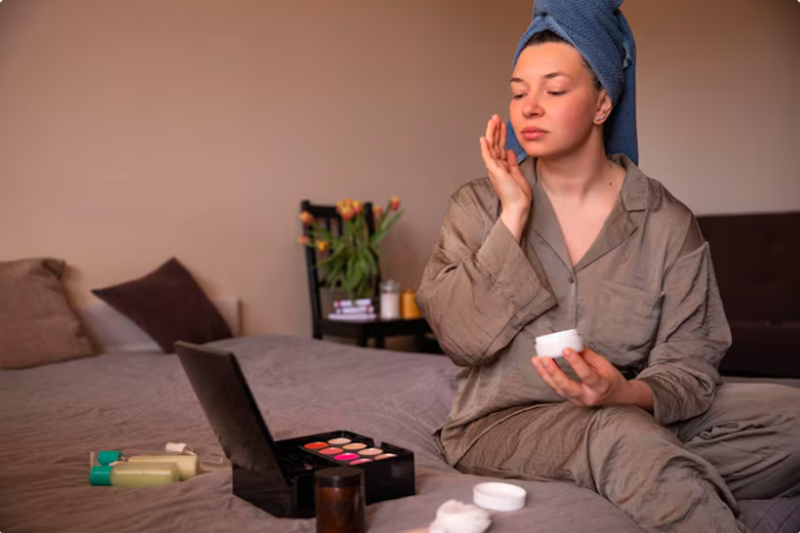
Introduce new skincare products gradually rather than several at once. This makes it easier to assess tolerance and identify the cause of irritation if a reaction occurs.
Pay attention to symptoms such as:
- Persistent redness
- Burning
- Stinging
- Excessive dryness
- Itching
- New or worsening irritation
If these symptoms develop, simplifying your routine may be appropriate rather than adding more products to counteract the problem.
Should You Use Active Ingredients Every Day?
No. Daily use is not necessary or appropriate for every active ingredient. The right frequency depends on the ingredient, concentration, formulation, skin type, skin tolerance, and other products in your routine.
For some active ingredients, starting with less frequent application can help the skin adjust gradually. Using a product more often than recommended does not necessarily speed up results and may increase irritation or compromise the skin barrier.
A successful routine should balance effectiveness with tolerability.
Where Does Medical-Grade Skincare Fit Into Your Routine?

Some people may benefit from more targeted formulations when basic skincare does not fully address their concerns. Medical-grade skincare may be considered as part of a more individualized approach when there is a specific reason to use a particular formulation or active ingredient.
Stronger or more expensive products are not automatically better. The right choice depends on your skin condition, goals, sensitivity, and other products or treatments you use.
If you have persistent acne, pigmentation, significant sensitivity, or multiple concerns at the same time, professional guidance can help determine whether a more targeted skincare approach is appropriate.
Common Skincare Routine Mistakes
Even high-quality products may not produce the desired results if the overall routine is poorly designed.
1. Using Too Many Active Ingredients
Combining multiple strong products can increase irritation without necessarily improving results.
2. Skipping Sunscreen
Inconsistent sun protection can work against your efforts to manage pigmentation and visible signs of skin aging.
3. Changing Products Too Frequently
Constantly replacing products makes it difficult to determine whether your routine is actually working.
4. Following Viral Skincare Trends
A product that works well for an influencer or friend may not be suitable for your skin.
5. Over-Cleansing
A cleanser should remove impurities without unnecessarily stripping the skin.
6. Ignoring Irritation
Persistent burning, redness, or excessive dryness should not simply be treated as a sign that a product is “working.”
7. Expecting Immediate Results
Different skincare concerns require different amounts of time. Consistency is generally more useful than constantly switching products.
Online Aesthetic Consultation
Book an Online Aesthetic Consultation with Dr. Elham to discuss your goals and choose the most suitable option for you.
When Should You Seek Professional Skincare Guidance?

Professional guidance can be valuable when concerns are persistent, complex, or difficult to manage. An assessment can help identify your main concerns and create a targeted approach instead of relying on trial and error.
You may benefit from professional advice if you experience:
- Persistent or severe acne
- Recurrent irritation or redness
- Difficult-to-manage pigmentation
- Significant sensitivity
- Persistent dryness
- Multiple skin concerns at the same time
- Repeated reactions to skincare products
Final Thoughts
A personalized skincare routine should match your skin type, concerns, sensitivity, and goals rather than following trends or using an unnecessarily long list of products.
Start with gentle cleansing, moisturization, and daily sun protection, then introduce targeted products gradually. If you have persistent acne, pigmentation, sensitivity, or multiple concerns, professional guidance can help you choose a more appropriate approach



Leave a Comment