
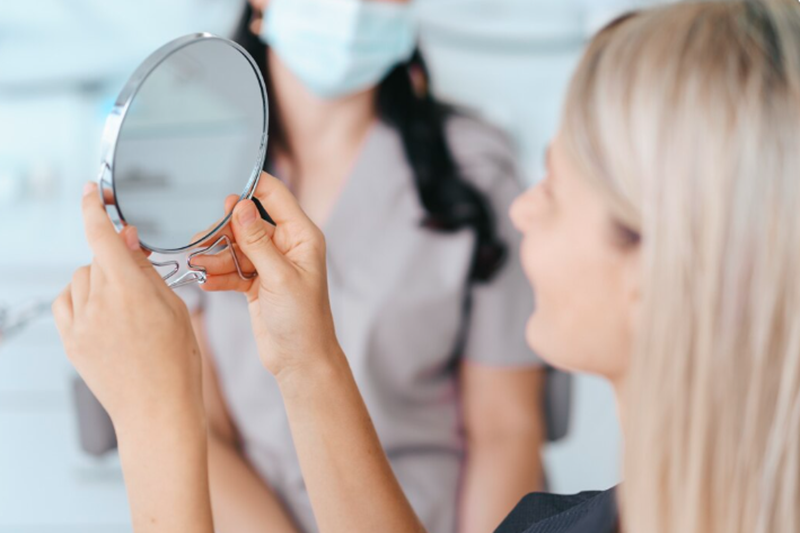
Your first skin consultation is an opportunity to understand your skin concerns before deciding on a treatment. Whether you are dealing with acne, pigmentation, sensitivity, signs of ageing, or changes in your skin’s texture, a professional assessment can help identify the factors affecting your skin and determine the most appropriate next steps.
If you are wondering first skin consultation what to expect, knowing how the appointment usually works can make the experience much easier. At Dr. Elham’s clinic, the consultation focuses on understanding your individual concerns, assessing your skin, discussing your goals, and developing a treatment approach suited to your needs.
First Skin Consultation: What to Expect

Although every consultation is different, your first appointment will generally involve several key stages:
- Discussing your skin concerns
- Reviewing your skin and medical history
- Assessing your skin
- Discussing your goals and expectations
- Reviewing suitable treatment options
- Creating a personalized treatment plan
- Discussing questions, aftercare, and next steps
Let’s look at each stage in more detail.
Step 1: Discuss Your Skin Concerns
The consultation usually begins with a conversation about what has brought you to the clinic.
You may want to discuss concerns such as:
- Acne and breakouts
- Pigmentation or dark spots
- Uneven skin tone
- Fine lines and wrinkles
- Dry or dehydrated skin
- Sensitive or reactive skin
- Enlarged pores
- Uneven skin texture
- Signs of skin ageing
- Scarring or post-acne marks
You do not need to diagnose your skin condition yourself. Simply explaining what you have noticed, when it started, and what concerns you most can help your doctor understand what you are experiencing.
During a consultation with Dr. Elham, this discussion can also help establish your priorities and what you would like to achieve from treatment.
Step 2: Review Your Skin and Medical History
Understanding your history is an important part of the skin assessment process.
Your doctor may ask about:
- Previous skin conditions
- Previous cosmetic or dermatological treatments
- Current skincare products
- Prescription or over-the-counter medications
- Known allergies or sensitivities
- Previous reactions to skincare or treatments
- Changes in your skin over time
- Relevant lifestyle factors
Be as accurate as possible when answering these questions. Information about previous treatments and products can help your doctor determine which options may be appropriate and whether certain treatments should be avoided.
Step 3: Your Skin Assessment
The next part of the consultation involves examining your skin.
Depending on your concerns, your doctor may assess factors such as:
- Skin type
- Oil production
- Hydration
- Sensitivity
- Skin texture
- Pigmentation
- Inflammation
- Acne or congestion
- Fine lines and wrinkles
- Signs of sun damage
The purpose of this assessment is not simply to identify a visible concern. Your doctor can consider the overall condition of your skin and how different concerns may be connected.
This is one reason why a personalized consultation can be more useful than choosing a treatment based only on a particular symptom.
Step 4: Discuss Your Goals and Expectations
Your treatment plan should take your goals into account.
For example, you may want to improve:
- Skin clarity
- Brightness
- Texture
- Pigmentation
- Acne
- Signs of ageing
- Overall skin quality
It is important to communicate what you hope to achieve and how quickly you expect to see changes.
Your doctor can then explain what may realistically be achieved and whether your goals are better addressed through skincare, an in-clinic treatment, or a combination of approaches.
Step 5: Discuss Suitable Treatment Options
Once your concerns, history, and skin condition have been assessed, your doctor can discuss potential treatment options.
Depending on your individual needs, these may include professional skincare recommendations or in-clinic treatments.
The important point is that there is no single treatment that is suitable for everyone. The most appropriate option depends on factors such as your skin condition, goals, previous treatments, and overall health.
Rather than choosing a treatment simply because it is popular, a consultation allows you to understand why a particular approach may or may not be suitable for you.
Step 6: Create a Personalized Treatment Plan
After the assessment and discussion, you may receive a personalized plan outlining the recommended next steps.
Depending on your situation, this may include:
- A home skincare routine
- A specific in-clinic treatment
- A combination of treatments
- Changes to your existing skincare routine
- Recommended treatment intervals
- Expected recovery or downtime
- Aftercare instructions
- A follow-up appointment
Dr. Elham can use the information gathered during the consultation to create an approach that reflects your skin’s condition and your individual goals rather than relying on a one-size-fits-all treatment plan.
It is also important to understand that your treatment plan may change over time. Your skin can respond differently from what was initially expected, so follow-up assessments may be used to determine whether your approach needs to be adjusted.
Step 7: Ask Questions Before You Leave
Your first consultation is also your opportunity to ask questions.
If you are unsure about a recommended treatment, its expected results, or the recovery process, ask your doctor before proceeding.
Dermatology Consultation Checklist
Consider asking:
- What is causing my main skin concern?
- What treatment options are available for my skin?
- Which option is most suitable for me?
- What results can I realistically expect?
- How long might it take to see results?
- Are there any risks or potential side effects?
- Will I need more than one session?
- Is there any downtime?
- What should I do before treatment?
- What aftercare will I need?
- When should I have a follow-up appointment?
Having your questions ready can help you make better-informed decisions about your skin treatment.
Online Aesthetic Consultation
Book an Online Aesthetic Consultation with Dr. Elham to discuss your goals and choose the most suitable option for you.

How to Prepare for Your First Skin Consultation
A little preparation can make your appointment more productive.
Before your consultation, consider making a note of your main concerns and when you first noticed them. You should also be prepared to discuss your current skincare routine and any previous treatments.
It can be helpful to:
- Write down your main skin concerns
- Make a list of your current skincare products
- Note any medications you take
- Mention known allergies or sensitivities
- Keep track of previous cosmetic or dermatological treatments
- Think about your treatment goals
- Prepare questions you want to ask
You do not necessarily need to change your skincare routine before your appointment unless your doctor has specifically advised you to do so.
What Should You Bring to a Skin Consultation?

You may find it useful to bring or have information about:
- Your current skincare products
- Medication and supplement information
- Known allergies
- Previous treatment details
- Relevant medical or dermatological records
- Photos showing previous skin concerns or changes, if relevant
- A list of questions
If you are unsure whether a particular product or treatment is relevant, it is usually better to mention it during your consultation.
Online Aesthetic Consultation
Book an Online Aesthetic Consultation with Dr. Elham to discuss your goals and choose the most suitable option for you.
What Happens After Your First Skin Consultation?
Your consultation should give you a clearer understanding of your skin concerns and the options available to you.
Depending on your assessment, your next step could be starting a skincare routine, scheduling a recommended treatment, monitoring your skin for a period of time, or returning for a follow-up assessment.
Not every concern requires an immediate procedure. In some cases, improving the skin gradually through an appropriate skincare routine may be the most suitable first step.
If you want to learn more about professional skincare, common skin concerns, and treatment approaches, explore our Skincare Hub.
Frequently Asked Questions
What should I expect from my first skin consultation?
How long does a first skin consultation take?
Will my skin be examined during the consultation?
Should I stop using my skincare products before my consultation?
What should I bring to a dermatology consultation?
Will I receive a treatment plan during my first consultation?
Can I discuss more than one skin concern during my consultation?
Do I need a follow-up after my first skin consultation?
Final Thoughts
Your first skin consultation is the starting point for understanding your skin and choosing an appropriate treatment approach. From discussing your concerns and reviewing your history to completing a skin assessment and creating a personalized plan, each step helps guide the next decision.
Preparing your questions and skincare information in advance can make the consultation more useful and help you feel confident about your treatment journey with Dr. Elham.
Take the Next Step With a Personalized Skin Assessment
Knowing first skin consultation what to expect can help you feel more prepared and make your appointment more productive. A consultation is not simply about choosing a cosmetic treatment; it is about understanding your skin, discussing realistic goals, and identifying an appropriate path forward.
With a personalized assessment and professional guidance from Dr. Elham, you can make more informed decisions about your skincare and treatment options based on your individual needs.


Leave a Comment