

Choosing skincare products can be difficult when every product seems to promise a different benefit. A cleanser may be marketed for oily skin, a moisturizer for dry skin, and a serum for sensitive skin, but product labels alone do not always tell you what your skin actually needs.
Choosing skincare for your skin type starts with understanding how your skin behaves, identifying your main concern, and then looking at the product’s ingredients, texture, and formulation. The goal is not to use as many products as possible, but to choose products that suit your skin and have a clear purpose.
Choosing Skincare for Your Skin Type: Start With Your Skin Type and Main Skin Concern

Before buying a skincare product, consider two separate questions:
Online Aesthetic Consultation
Book an Online Aesthetic Consultation with Dr. Elham to discuss your goals and choose the most suitable option for you.

What is my skin type?
and
What am I trying to improve?
Your skin type may be oily, dry, combination, or normal. Sensitivity can also occur alongside any of these types. Your skin concern is something different, such as acne, dryness, uneven skin tone, clogged pores, or signs of aging.
For example, someone can have oily skin and acne, while another person can have oily skin without breakouts. Their skincare needs may therefore be different even though they share the same basic skin type.
This distinction can help prevent a common mistake: choosing a product simply because it says it is “for oily skin” or “for dry skin” without considering what you actually want the product to do.
How to Identify Your Skin Type Before Buying Skincare Products

If you are unsure about your skin type, pay attention to how your skin feels and looks when it is not covered with several products.
After gently cleansing your face, leave your skin without skincare products for a short period and observe how it feels.
- Oily skin: Your face tends to become shiny or greasy, and pores may appear more noticeable.
- Dry skin: Your skin may feel tight, rough, flaky, or uncomfortable.
- Combination skin: Some areas, often the T-zone, become oily while other areas feel normal or dry.
- Normal skin: Your skin generally feels comfortable without excessive oiliness or dryness.
- Sensitive skin: Your skin may sting, burn, itch, or become red in response to certain products or environmental factors.
Skin can also change over time because of weather, age, medications, hormonal changes, and skincare habits. Therefore, the products that work for you now may not always be the best choices later.
Choosing Skincare Products Based on Your Skin Type
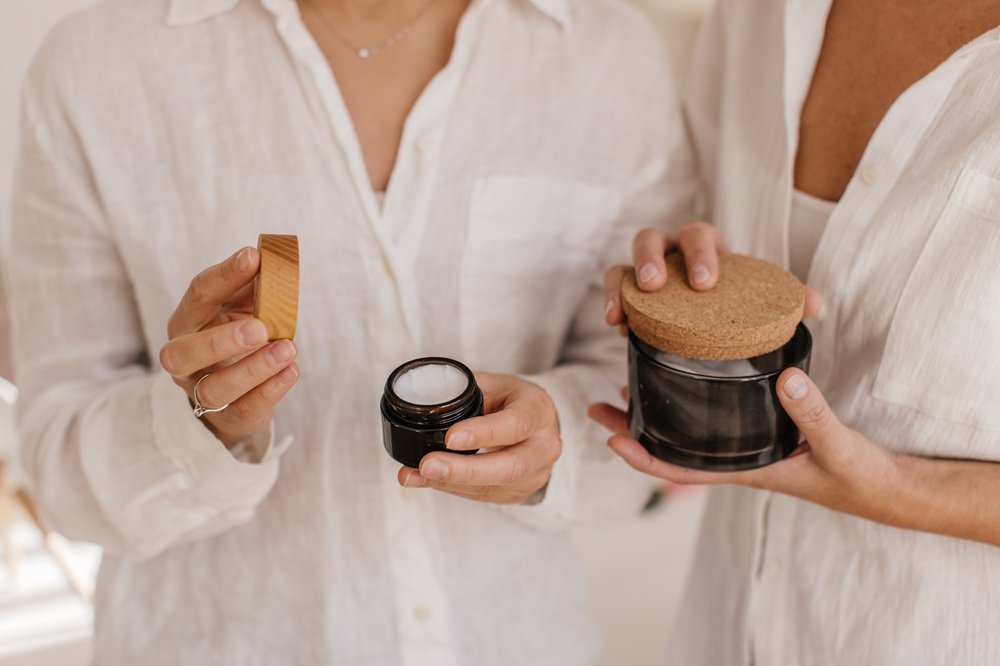
Once you have a better idea of your skin type, you can start comparing product formulations.
Products for Oily Skin
Oily skin does not need to be stripped of all its natural oil. Using harsh cleansers or scrubbing aggressively can irritate the skin and may make oil control more difficult.
When choosing products, consider:
- Lightweight moisturizers
- Oil-free or non-comedogenic formulations
- Gentle cleansers
- Lightweight sunscreen
- Targeted ingredients when you have clogged pores or breakouts
For oily or acne-prone skin, the terms “oil-free” and “non-comedogenic” can be useful when comparing products. However, these labels are not a guarantee that a product will work for everyone.
Products for Dry Skin
Dry skin generally benefits from products that help maintain moisture and support the skin barrier.
When choosing products, consider:
- Gentle, non-stripping cleansers
- Cream-based moisturizers
- Hydrating ingredients such as glycerin or hyaluronic acid
- Barrier-supporting ingredients such as ceramides
- Sunscreen that feels comfortable enough to use consistently
The texture of a moisturizer can also make a difference. Gels are generally lighter, lotions are somewhat richer, and creams or ointments provide more substantial moisture for very dry skin.
Products for Combination Skin

Combination skin can require a more flexible approach because different areas of the face may have different needs.
For example, you may prefer a lightweight moisturizer across most of your face while using a richer product only on areas that become dry.
You do not necessarily need a completely separate skincare routine for every part of your face. Instead, choose balanced products and adjust how much you apply according to how each area responds.
Products for Normal Skin
Normal skin usually does not require an extensive collection of products.
A simple routine focused on cleansing, moisturizing, and sun protection may be enough unless you have a specific concern you want to address.
Adding several active ingredients simply because they are popular can create unnecessary irritation without providing an obvious benefit.
Products for Sensitive Skin
Sensitive skin requires more attention to formulation and tolerance.
Look for gentle products and consider fragrance-free formulations if fragrance tends to irritate your skin. It is also better to introduce new products gradually rather than changing several products at once.
If a product consistently causes burning, significant redness, itching, or discomfort, it may not be suitable for your skin.
Oily Skin vs Dry Skin Products: What Really Changes?
When comparing oily skin vs dry skin products, the main difference is usually the balance between managing excess oil and supporting moisture.
| Oily Skin | Dry Skin |
|---|---|
| Lightweight textures | Richer textures |
| Gel or light lotion moisturizers | Cream or ointment moisturizers |
| Oil-free or non-comedogenic options may be useful | Hydrating and barrier-supporting formulations |
| Gentle cleansing to remove excess oil | Gentle cleansing to avoid further dryness |
However, these categories are not absolute.
Oily skin can still become dehydrated, particularly after using harsh cleansers or acne treatments. Similarly, dry skin can experience clogged pores or breakouts.
This is why choosing products based only on your skin type may not always be enough.
Sensitive Skin Product Guide: What Should You Look For?
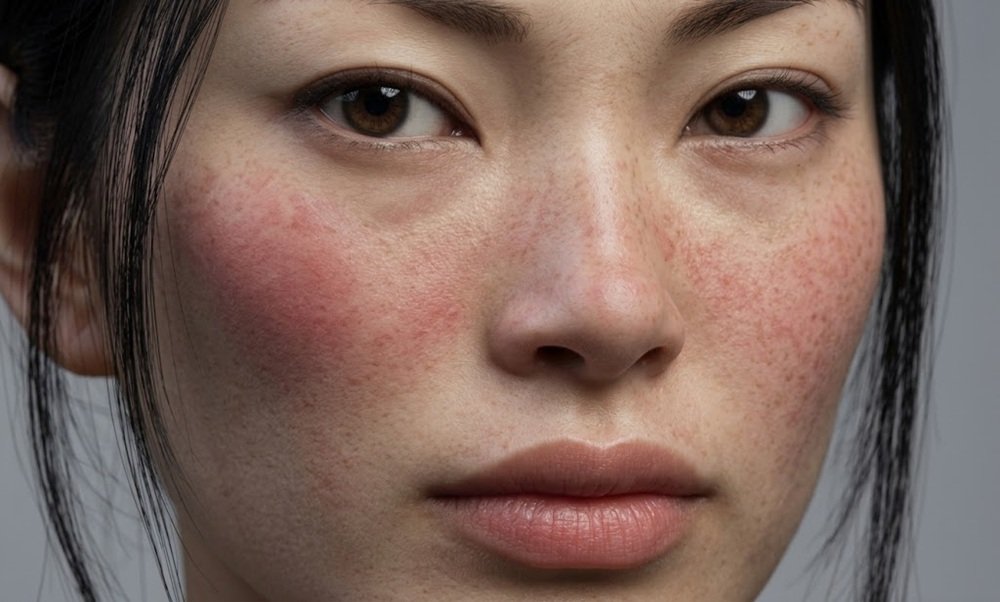
A useful sensitive skin product guide should focus less on having a long ingredient list and more on avoiding unnecessary irritation.
When choosing a product, consider:
- Fragrance-free formulations if fragrance is irritating
- Gentle cleansers
- Moisturizers that support the skin barrier
- Fewer active ingredients
- Products designed for sensitive or reactive skin
It can also help to introduce one new product at a time. If you suddenly develop irritation after adding three new products, it becomes much harder to determine which one caused the reaction.
Sensitive skin can also occur alongside oily, dry, or combination skin. Therefore, a person with oily and sensitive skin may need a different formulation from someone with dry and sensitive skin.
How to Choose the Right Skincare Texture
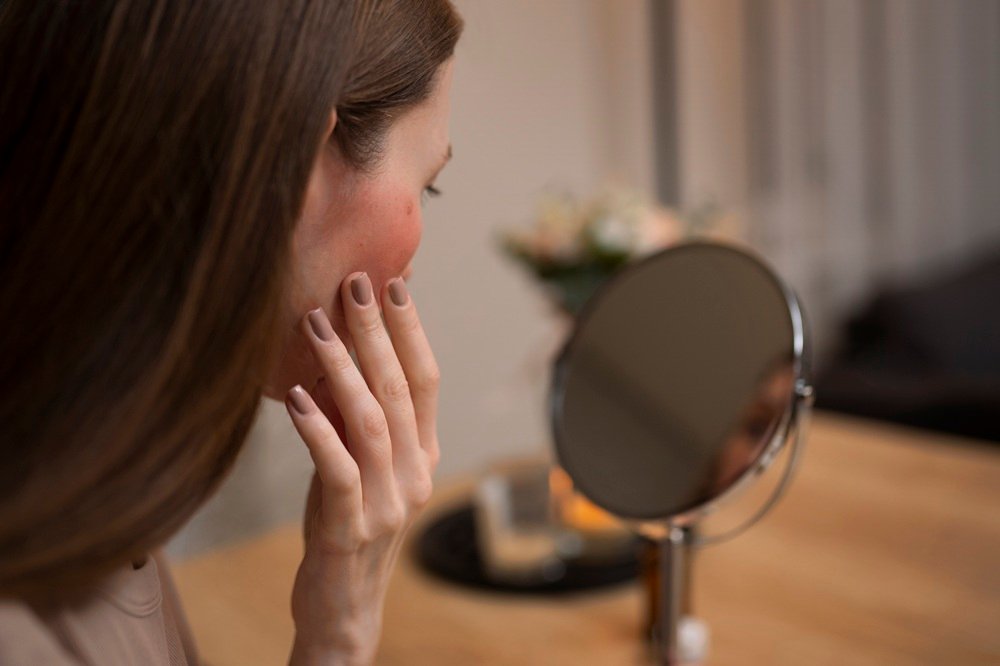
Ingredients are important, but the texture of a product can also affect whether it works well for you.
Common formulations include:
- Gel: Usually lightweight and comfortable for oily or combination skin.
- Lotion: A middle-ground option that can work for normal or combination skin.
- Cream: Richer and generally more suitable for dry skin.
- Ointment: Very rich and useful for areas that need significant moisture protection.
There is no universal rule that says a particular texture is only suitable for one skin type. Your climate, the season, and your skin’s current condition can all influence what feels comfortable.
How to Read a Skincare Product Label

The front of a skincare package is designed to attract attention. The ingredient list and product instructions can tell you much more.
When comparing products, ask:
Is It Non-Comedogenic?
If you are prone to clogged pores or acne, non-comedogenic products may be worth considering. This means the product is formulated to be less likely to clog pores.
Is It Fragrance-Free?
If your skin is sensitive or easily irritated, fragrance-free products may be a better option. Note that “unscented” does not necessarily mean the same thing as fragrance-free.
What Is the Main Active Ingredient?
Look for ingredients that have a clear connection to your specific concern rather than choosing a product simply because it contains many active ingredients.
Does the Product Make Unrealistic Claims?
Be cautious about claims that promise dramatic results in an extremely short time. Skincare generally requires consistent use, and results depend on the product, concern, and individual skin.
Online Aesthetic Consultation
Book an Online Aesthetic Consultation with Dr. Elham to discuss your goals and choose the most suitable option for you.
How to Choose Skincare Ingredients for Your Main Concern
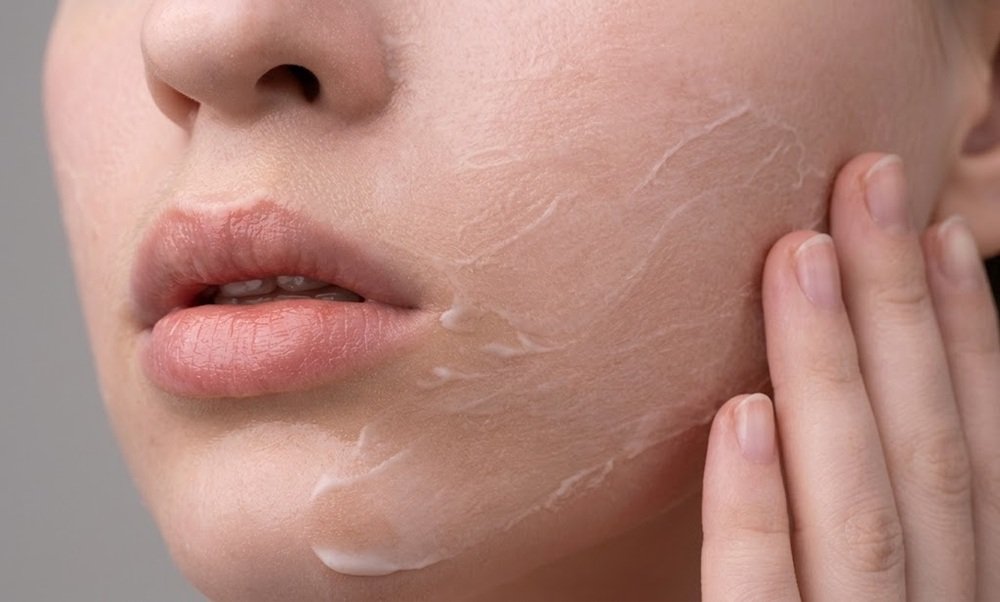
Instead of asking which ingredients are “best” in general, consider which ones are relevant to your particular concern.
For Dryness
Ingredients such as glycerin, hyaluronic acid, and ceramides are commonly used in moisturizing formulations to support hydration and the skin barrier.
For Excess Oil and Clogged Pores
Salicylic acid is commonly used in products designed for oily or acne-prone skin. However, exfoliating ingredients can irritate some people, particularly when used too frequently.
For Signs of Aging
Retinoids are among the ingredients commonly used in skincare for signs of aging. However, they can cause irritation, particularly when first introduced, so the appropriate product and frequency matter.
For Uneven Skin Tone
Ingredients such as vitamin C and niacinamide are commonly found in products targeting uneven-looking skin tone. The best choice depends on the specific cause of the pigmentation and your skin’s tolerance.
How to Introduce a New Skincare Product

When introducing something new:
- Add one new product at a time.
- Follow the product’s directions rather than using more than recommended.
- Introduce potentially irritating active ingredients gradually.
- Pay attention to persistent redness, burning, itching, or worsening irritation.
- Stop using a product if it causes a significant reaction.
Changing your entire skincare routine at once can make it difficult to identify what is helping and what may be causing irritation.
When Skin Type Isn’t Enough to Choose the Right Product
Skin type is useful, but it is not a diagnosis.
Persistent acne, rosacea, eczema, significant pigmentation, recurring irritation, or other skin problems may require a different approach. A product designed for your skin type may still be inappropriate if it does not address the underlying condition.
For example, simply choosing a moisturizer labeled “for sensitive skin” may not be enough if persistent redness or irritation is caused by an underlying dermatological condition.
In these situations, professional assessment can help determine whether you need a change in skincare, a targeted treatment, or medical management.
When to Consider Medical-Grade Skincare
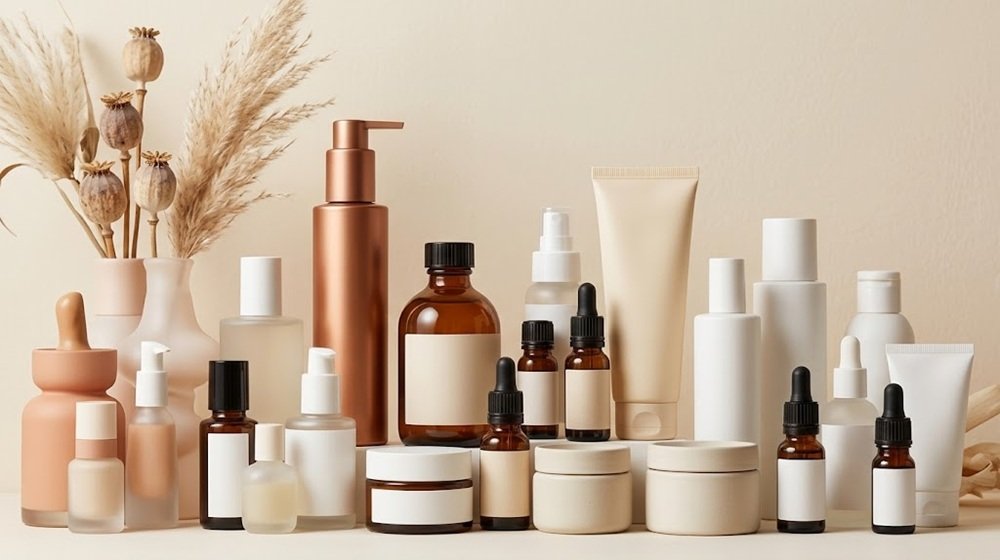
Some skincare concerns require more targeted products than a basic cleanser and moisturizer.
If you have persistent acne, pigmentation, signs of skin aging, or another ongoing concern, a dermatologist can assess your skin and determine whether a more targeted approach is appropriate.
Medical-Grade Skincare may be incorporated into a personalized skincare plan when your needs go beyond basic daily skincare. The goal is not necessarily to choose the strongest product available, but to select products that are appropriate for your specific skin and concerns.
Common Mistakes When Choosing Skincare Products
Using Too Many Active Ingredients
Combining multiple strong active ingredients can increase the risk of irritation. A simpler routine can make it easier to determine which products your skin tolerates.
Skipping Moisturizer Because Your Skin Is Oily
Oily skin still needs hydration. Dermatologists recommend moisturizing even when skin is oily, using a formulation appropriate for the skin.
Assuming Expensive Means Better
Price alone does not determine whether a skincare product is effective. Ingredients, formulation, consistency of use, and suitability for your skin are more important considerations.
Frequently Asked Questions
How do I choose skincare products for my skin type?
What skincare products are best for oily skin?
What skincare products are best for dry skin?
How should I choose products for sensitive skin?
Can oily skin still be dehydrated?
Conclusion
Choosing skincare products should be less about following trends and more about understanding what your skin actually needs. Start with your skin type, identify your main concern, and then consider the product’s ingredients, texture, and formulation.
A simple, targeted approach is often easier to maintain than a complicated routine filled with unnecessary products. If your skin concerns persist or seem difficult to manage, professional assessment can help you choose a more appropriate skincare strategy.




Leave a Comment