
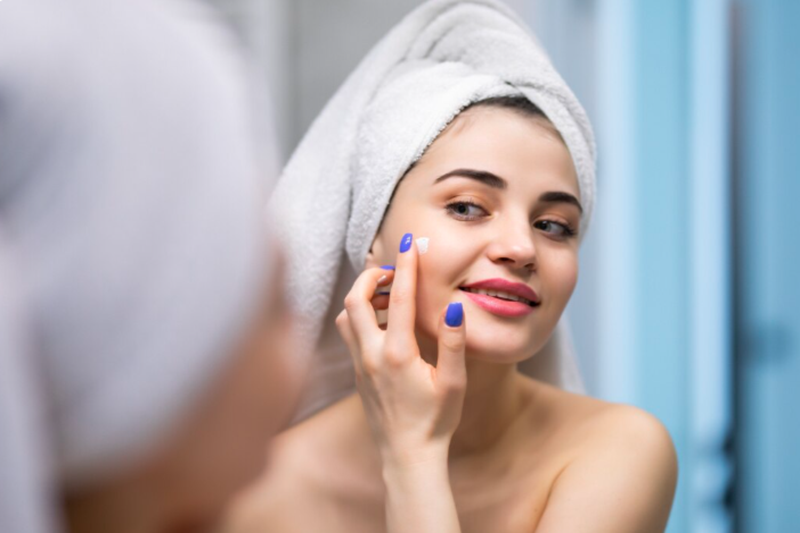
Acne scars can remain long after active breakouts have disappeared, affecting skin texture, tone, and confidence. The good news is that modern Acne Scar Treatment options range from topical creams that gradually improve mild marks to professional procedures designed to address deeper changes in the skin.
The right approach depends on the type of scar, its depth, your skin type, and whether you still have active acne. Understanding these differences can help you choose a treatment that is both realistic and appropriate for your skin.
What Is Acne Scar Treatment?
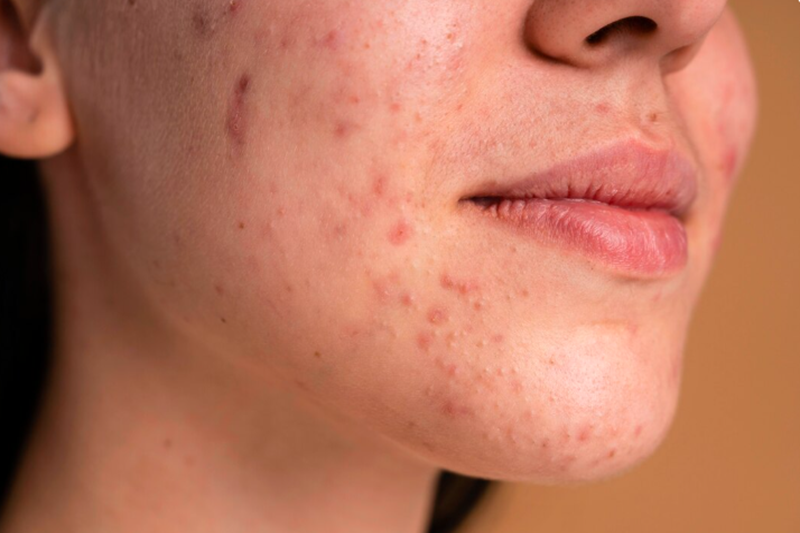
Acne Scar Treatment refers to the different methods used to reduce the appearance of changes left behind after acne. These treatments may target discoloration, uneven texture, depressed scars, or raised scars.
Online Aesthetic Consultation
Book an Online Aesthetic Consultation with Dr. Elham to discuss your goals and choose the most suitable option for you.

Not every mark left after acne is technically a scar. Flat red, pink, brown, or dark marks may be post-inflammatory changes rather than permanent changes to the skin’s structure. True acne scars usually involve a change in texture, such as an indentation or raised area.
This distinction matters because creams may be useful for discoloration, while structural scars often require procedures that stimulate remodeling of the skin.
Types of Acne Scars
Before choosing a treatment, it helps to identify what type of scar you have.
Atrophic Acne Scars
Atrophic scars are depressions in the skin caused by loss of collagen during the healing process. They are commonly divided into three categories:
- Ice pick scars: Small, narrow, and relatively deep openings in the skin.
- Boxcar scars: Wider depressions with more clearly defined edges.
- Rolling scars: Broad depressions that create an uneven or wavy skin surface.
Different atrophic scars can respond differently to treatment, so one procedure may not be equally effective for every scar pattern.
Hypertrophic and Keloid Scars
These scars are raised rather than indented. They occur when the skin produces excess scar tissue during healing.
Raised acne scars may require approaches specifically designed to flatten or soften excessive scar tissue. Because some people are more prone to developing raised scars, professional assessment is particularly important before choosing an aggressive procedure.
Post-Acne Dark Spots
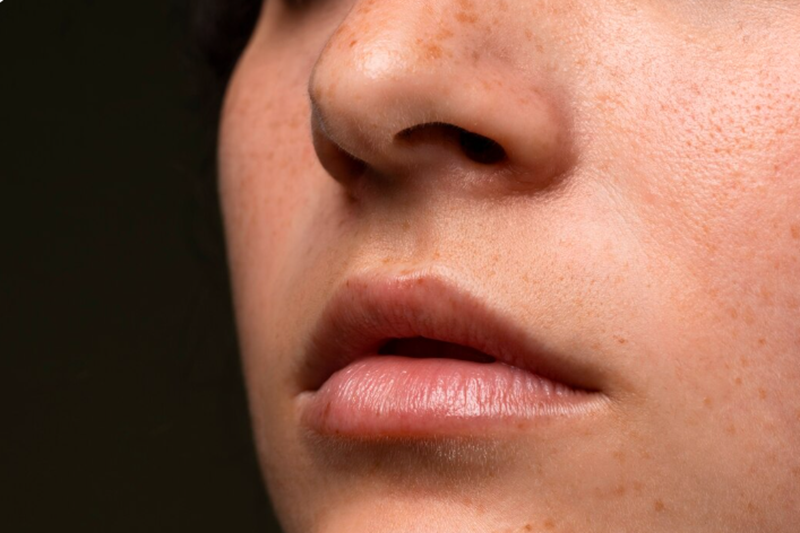
Dark spots after acne are often confused with acne scars. They are usually changes in pigmentation rather than depressions in the skin.
Sun exposure can make these marks more noticeable or prolong their appearance. Treatments aimed at pigmentation therefore differ from procedures intended to remodel depressed scars.
Can Acne Scar Creams Work?

Creams can be useful, but expectations should be realistic.
Topical products are generally more helpful for discoloration, uneven tone, and mild changes in skin appearance than for deep indentations. A cream cannot simply rebuild a deep depression in the skin overnight.
Depending on the specific skin concern, dermatologists may recommend ingredients such as retinoids, exfoliating acids, azelaic acid, or other pigment-focused ingredients.
Retinoids
Topical retinoids can encourage skin-cell turnover and may gradually improve the appearance of uneven texture and post-acne discoloration. They can also help prevent new acne, which is important because ongoing breakouts can create additional marks and scars.
Retinoids may cause dryness, irritation, or increased sensitivity, particularly when treatment begins. They should therefore be introduced appropriately rather than used excessively.
Azelaic Acid
Azelaic acid is commonly used for acne and post-inflammatory pigmentation. It may be particularly useful when dark marks remain after breakouts.
It is generally considered a gentler option than some stronger exfoliating ingredients, although irritation can still occur in sensitive skin.
Alpha Hydroxy Acids
Ingredients such as glycolic acid and lactic acid can exfoliate the outer layers of the skin and improve the appearance of uneven tone and mild textural irregularities.
Using too much exfoliating acid can irritate the skin and potentially worsen discoloration, particularly in people whose skin is prone to post-inflammatory pigmentation.
Sunscreen
Daily broad-spectrum sunscreen is an important part of treating post-acne marks.
UV exposure can make pigmentation more noticeable and can interfere with efforts to achieve a more even complexion. Sunscreen does not remove an established depressed scar, but it can help protect the skin while other treatments are being used.
Professional Acne Scar Treatment Options
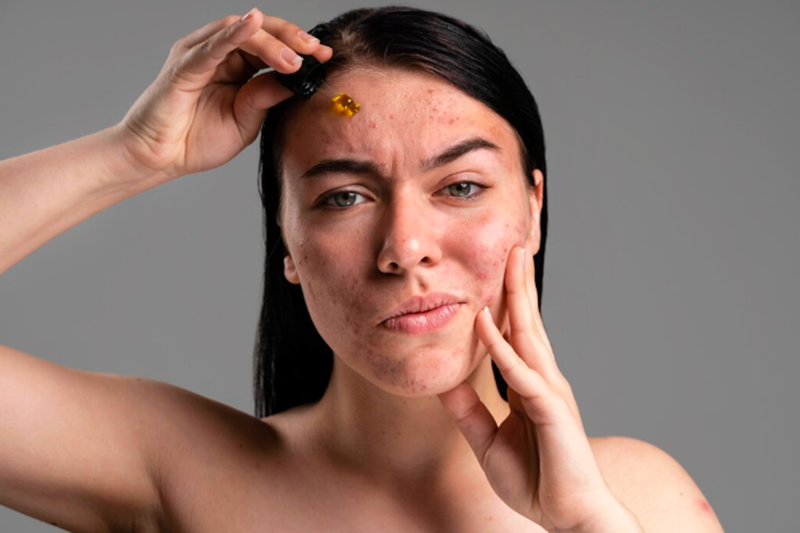
When acne scars involve significant textural changes, professional procedures may provide more substantial improvement than topical products alone.
The most appropriate procedure depends heavily on the type and depth of the scar.
Microneedling
Microneedling uses very fine needles to create controlled micro-injuries in the skin. The healing response can stimulate collagen production and gradually improve skin texture.
It is commonly considered for certain types of atrophic acne scars. Multiple sessions are often needed, and results develop gradually rather than immediately.
Professional microneedling is different from using inexpensive at-home rollers. Deeper treatments require appropriate technique, hygiene, and skin assessment to reduce the risk of complications.
Fractional Laser Treatment
Fractional laser treatments create microscopic treatment zones within the skin while leaving surrounding areas relatively intact. This can stimulate remodeling and improve the appearance of some acne scars.
Different lasers have different effects and levels of downtime. The choice should take into account skin type, scar characteristics, and the risk of post-treatment pigmentation.
Chemical Peels
Chemical peels use controlled chemical exfoliation to remove damaged outer layers of skin and stimulate renewal.
Superficial peels may help with discoloration and mild texture concerns, while stronger treatments require greater caution and professional supervision.
Certain deep, narrow acne scars may sometimes be treated with techniques specifically designed to reach the scar rather than relying on surface exfoliation alone.
Subcision
Subcision is a procedure used primarily for certain depressed scars, particularly scars that are tethered to deeper tissue.
A medical professional uses a needle or specialized instrument beneath the scar to release fibrous bands pulling the skin downward. This can allow the depressed area to become less tethered and may improve the skin’s contour.
Subcision is not appropriate for every scar type, and the technique should be selected based on the underlying structure of the scar.
Dermal Fillers
Some depressed acne scars can be temporarily improved with injectable fillers.
Fillers add volume beneath a depression, making the skin surface appear more even. Their suitability depends on the scar’s shape, depth, location, and the individual’s skin characteristics.
Because fillers are injectable medical treatments, they should be performed by an appropriately qualified medical professional.
Surgical Scar Techniques
Certain deep or particularly defined scars may benefit from minor surgical techniques.
For example, a procedure may physically remove or release a scar before the area heals in a more controlled way. Surgical approaches are generally considered when the scar’s structure makes other treatments less suitable.
Acne Scar Removal: What Can You Realistically Expect?
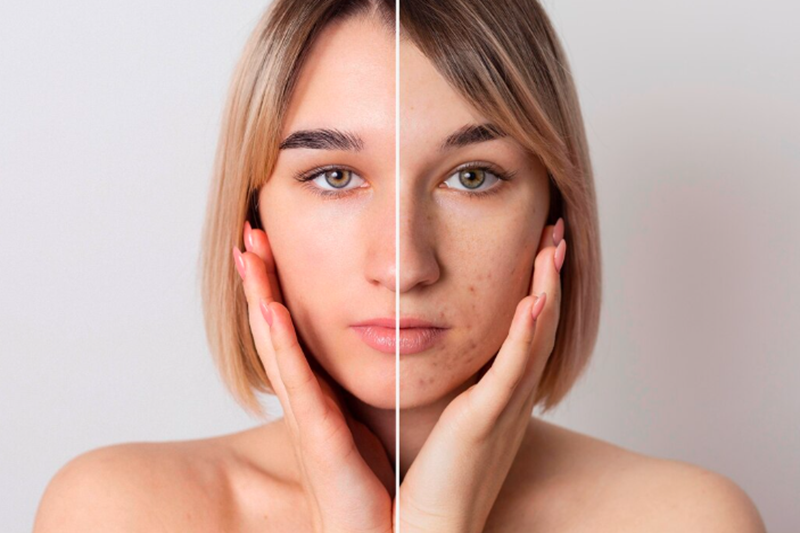
The goal of acne scar removal is usually not to erase every trace of scarring completely. Instead, treatment focuses on making scars less noticeable and improving the overall texture and appearance of the skin.
The most appropriate approach depends on the type, depth, and location of your acne scars. While topical treatments may help with discoloration and mild texture concerns, deeper scars may require professional procedures such as microneedling, laser treatment, subcision, chemical peels, or other dermatologist-guided options.
Because different scar types respond differently to treatment, identifying the type of scar you have is an important first step before choosing an Acne Scar Treatment.
Why Combination Treatment May Be Recommended
Acne scars are not all structurally identical. A person may have rolling scars in one area, boxcar scars in another, and pigmentation elsewhere.
For that reason, dermatologists may combine different treatments rather than relying on one procedure for the entire face.
For example, a treatment plan could address active acne first, then focus on pigmentation with topical therapy while using a procedure specifically selected for depressed scars.
Combination treatment should be individualized. More treatments do not automatically mean better results, and overly aggressive treatment can increase irritation and pigmentation problems.
How Long Does Acne Scar Treatment Take?
Improvement usually takes time.
Topical treatments may require consistent use for several weeks or months before visible changes become noticeable. Procedures can also require multiple sessions, with collagen remodeling continuing after each treatment.
Online Aesthetic Consultation
Book an Online Aesthetic Consultation with Dr. Elham to discuss your goals and choose the most suitable option for you.
The recovery period varies considerably. Some procedures may cause temporary redness, swelling, peeling, or sensitivity, while others involve more noticeable downtime.
A realistic treatment plan should therefore consider both the expected result and how much recovery time you can accommodate.
Should You Treat Active Acne Before Acne Scars?
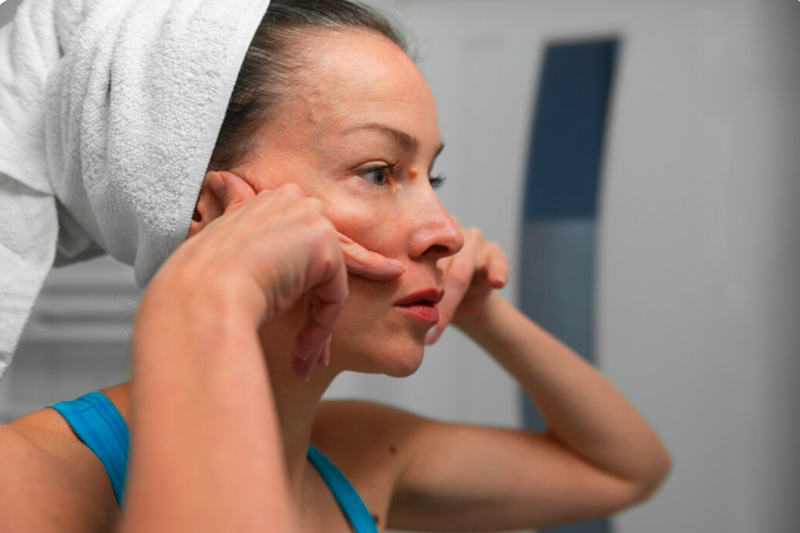
In many cases, controlling active acne should come before focusing heavily on established scars.
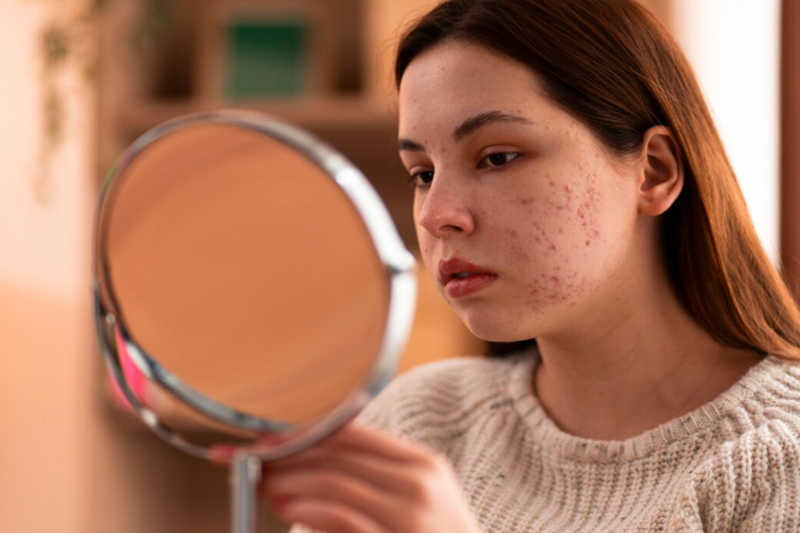
If new inflammatory acne continues to develop, new scars may form while you are treating older ones. Managing breakouts can therefore be an important part of a long-term scar-management strategy.
This does not necessarily mean scar treatment must wait indefinitely. A dermatologist can determine which concerns can be addressed simultaneously and which should be treated sequentially.
How to Choose the Right Treatment
There is no single procedure that works equally well for every acne scar.
A useful starting point is to identify the primary problem:
| Skin concern | Common treatment approaches |
|---|---|
| Dark post-acne marks | Sunscreen, topical pigment-focused treatments, selected chemical peels |
| Mild uneven texture | Topical retinoids, exfoliating treatments, selected procedures |
| Rolling scars | Microneedling, subcision, combination approaches |
| Boxcar scars | Microneedling, fractional laser, surgical techniques, combination treatment |
| Ice pick scars | Specialized procedures such as targeted surgical or chemical techniques |
| Raised scars | Treatments designed to reduce excessive scar tissue |
This table is a general guide rather than a prescription. The same treatment may produce different results depending on individual skin characteristics.
What Should You Avoid?
Trying to aggressively remove acne scars at home can sometimes make the situation worse.
Avoid repeatedly picking or squeezing acne, using multiple strong exfoliants at once, or performing aggressive procedures without appropriate training.
Irritation and inflammation can contribute to prolonged discoloration, especially in skin that is prone to post-inflammatory pigmentation.
It is also important to be cautious with products that promise to completely erase scars within a few days. Structural acne scars usually require a longer-term approach.
When Should You See a Dermatologist?
Consider professional evaluation if you have deep acne scars, persistent raised scars, significant pigmentation, recurring acne, or scars that have not improved with an appropriate skincare routine.
A dermatologist can determine whether you are dealing with true scarring, pigmentation, or a combination of both. They can also assess your skin and recommend procedures based on scar type and individual risk factors.
Professional assessment is particularly valuable before laser treatments, stronger chemical peels, injectable treatments, or procedures that penetrate the skin.
How to Support Your Skin During Treatment
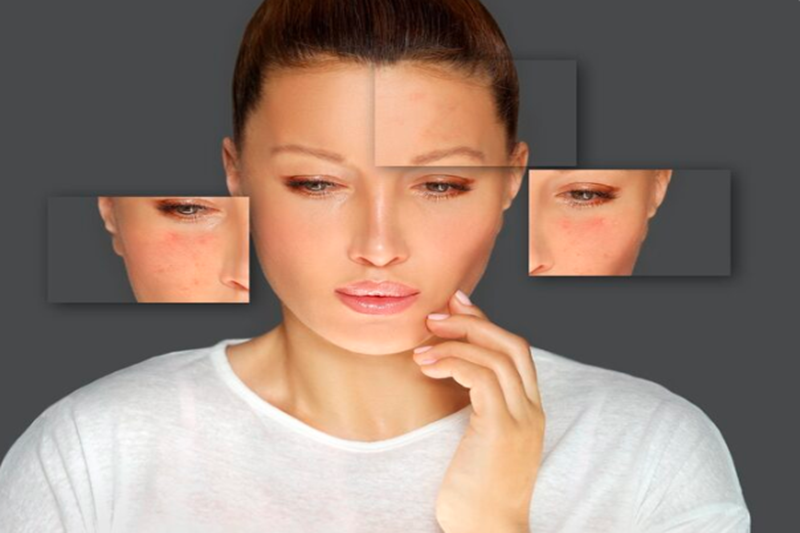
Good skincare does not replace professional procedures when they are needed, but it can support the overall treatment process.
A simple routine may include:
- Gentle cleansing: Avoid unnecessarily harsh cleansing that can irritate the skin.
- Appropriate treatment products: Use active ingredients according to professional or product guidance.
- Moisturizing: Support the skin barrier, particularly when using potentially irritating treatments.
- Daily sunscreen: Protect against UV exposure that can worsen discoloration.
- Avoid picking: Prevent additional inflammation and new scars.
- Follow aftercare instructions: After professional procedures, follow the specific instructions provided by your clinician.
Consistency is generally more useful than constantly switching between different products.
The Bottom Line
Acne Scar Treatment should be based on the type of scar rather than a one-size-fits-all approach. Creams and topical ingredients can be useful for discoloration and some mild skin concerns, while procedures such as microneedling, fractional laser treatment, subcision, chemical peels, fillers, or surgical techniques may be considered for structural scars.
The goal is usually not to promise perfect, completely scar-free skin. Instead, treatment aims to make scars less visible and improve overall skin texture and appearance.
If you are unsure whether you have pigmentation or true acne scarring, or if your scars are deep or persistent, a dermatologist can help identify the underlying problem and develop a treatment plan suited to your skin.
Frequently Asked Questions
What is the best treatment for acne scars?
Can acne scar creams remove scars completely?
How long does Acne Scar Treatment take?
Can acne scars be permanently removed?
Should I treat active acne before acne scars?
Conclusion
Acne scars can vary considerably, so effective Acne Scar Treatment should be based on the type and severity of the scarring rather than a one-size-fits-all approach. Creams and topical ingredients may help with post-acne discoloration and mild texture changes, while procedures such as microneedling, fractional laser treatment, subcision, chemical peels, fillers, or specialized surgical techniques may be considered for deeper structural scars.
The goal of treatment is usually to make scars less noticeable and improve skin texture rather than promise completely scar-free skin. If your scars are deep, persistent, raised, or difficult to identify, a dermatologist can assess your skin and help determine which treatment options are appropriate for you.



Leave a Comment