
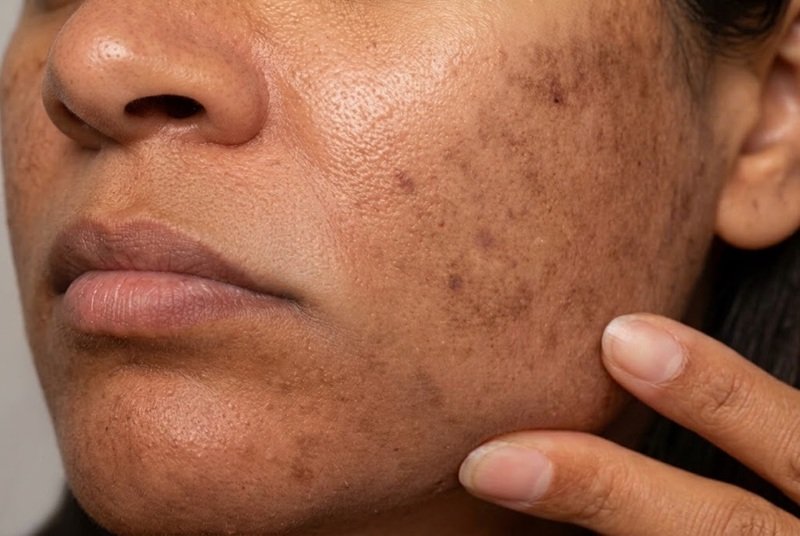
Rebound pigmentation refers to the return or worsening of dark spots and uneven skin tone after pigmentation has improved. It can be frustrating to see pigmentation return after treatment, but recurrence does not necessarily mean that the original treatment failed.
In many cases, pigmentation returns because the underlying triggers are still present. Sun exposure, hormonal changes, inflammation, heat, and inadequate maintenance can all contribute to recurring pigmentation.
What Is Rebound Pigmentation?
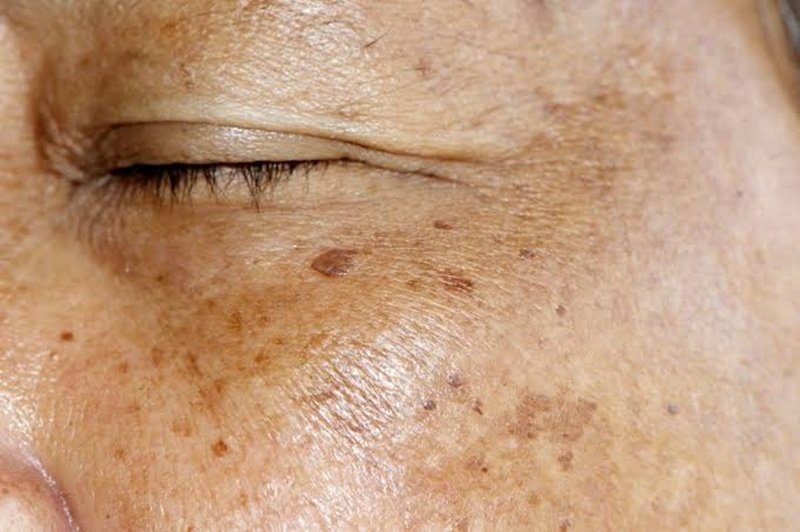
Rebound pigmentation is the recurrence or darkening of hyperpigmentation after it has improved with skincare or professional treatment.
It may appear as darker patches, spots, or uneven skin tone in areas that were previously affected. The term can describe recurrence after different types of pigmentation treatment, although the likelihood and causes vary depending on the underlying condition.
For example, melasma is known for its tendency to recur, which means treatment often needs to be followed by a consistent maintenance routine rather than stopped completely once the skin improves.
Online Aesthetic Consultation
Book an Online Aesthetic Consultation with Dr. Elham to discuss your goals and choose the most suitable option for you.

What Causes Rebound Pigmentation?
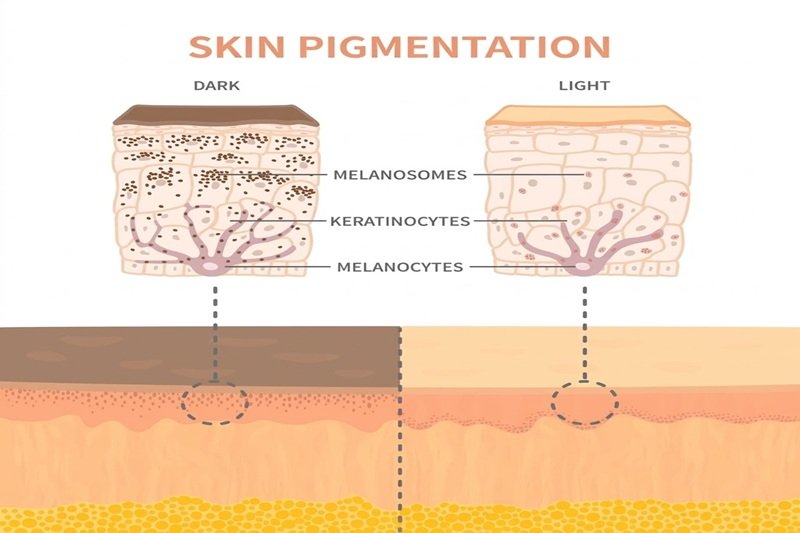
Several factors can stimulate melanin production and increase the risk of pigmentation returning.
Sun and Visible Light Exposure
Sun exposure is one of the most important factors in recurring pigmentation. Ultraviolet radiation can stimulate melanin production and make existing pigmentation darker.
Visible light can also contribute to melasma, particularly in people with darker skin tones. For this reason, effective photoprotection is an important part of both pigmentation treatment and prevention.
Hormonal Changes
Hormonal fluctuations can contribute to melasma and may make pigmentation more likely to return. Pregnancy, hormonal medications, and other hormonal changes can influence melanin production.
People who are prone to melasma pigmentation may therefore require longer-term management rather than relying on a single treatment.
Skin Irritation and Inflammation
Irritation can also contribute to pigmentation. Aggressive exfoliation, harsh skincare products, picking at the skin, or excessive use of active ingredients may cause inflammation and potentially worsen dark spots.
Post-inflammatory hyperpigmentation can develop following inflammation or skin injury, and controlling the underlying inflammation is an important part of management.
Inadequate Maintenance
Pigmentation can improve significantly and still return if treatment and prevention measures are stopped too early.
For conditions such as melasma, maintenance treatment and consistent photoprotection can help reduce the risk of relapse.
How to Prevent Rebound Pigmentation
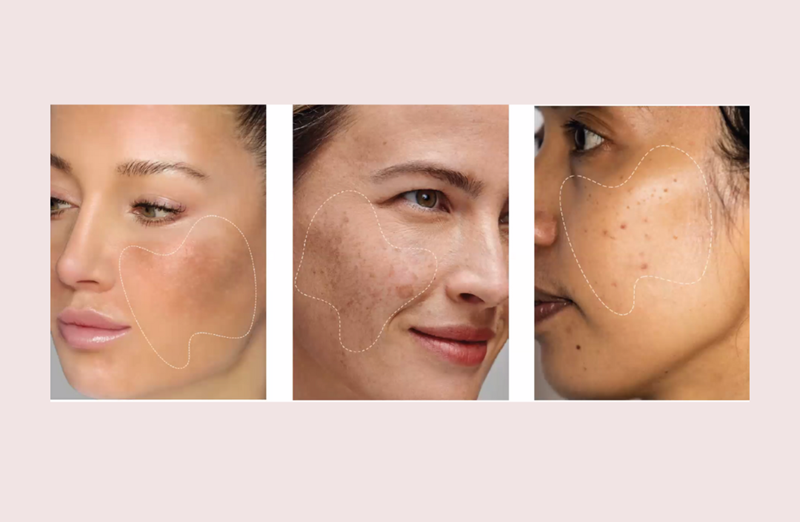
Preventing rebound pigmentation requires more than treating existing dark spots. Long-term management should also address the factors that trigger excess pigment production.
Protect Your Skin From the Sun Every Day
Use a broad-spectrum sunscreen with SPF 30 or higher as part of your daily routine. Reapply as needed, particularly when spending extended periods outdoors, swimming, or sweating.
For people prone to melasma, a tinted sunscreen containing iron oxides may also provide protection against visible light. Hats, shade, and protective clothing can provide additional protection.
Keep Your Skincare Routine Gentle
Avoid unnecessarily aggressive exfoliation and products that cause burning or stinging. Irritated skin may be more susceptible to pigmentation.
A gentle cleanser, moisturizer, appropriate pigmentation products, and daily sunscreen can provide a more sustainable routine than frequently using multiple strong active ingredients.
Avoid Picking or Irritating the Skin
Acne, rashes, wounds, and other inflammatory conditions can leave behind post-inflammatory hyperpigmentation. Avoiding unnecessary trauma to the skin and treating inflammatory skin conditions promptly can help reduce the risk of new pigmentation.
Follow a Maintenance Plan
Once pigmentation improves, do not assume that treatment is permanently finished. Depending on the type of pigmentation, your doctor may recommend continued skincare or periodic maintenance treatments.
This is particularly relevant for melasma, which can improve with treatment but may recur over time.
What to Do If Pigmentation Comes Back
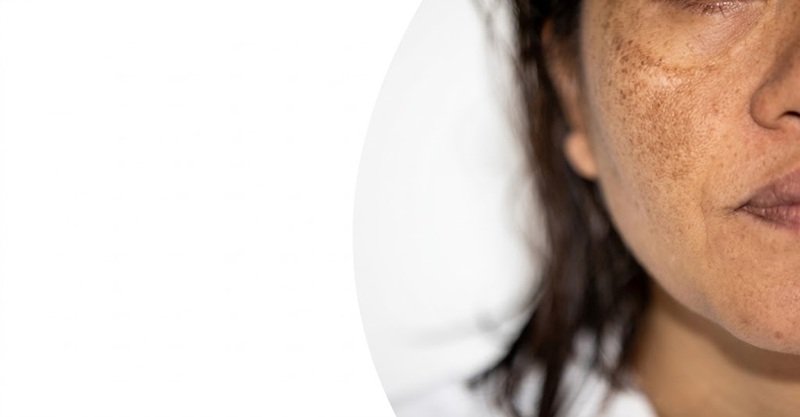
If pigmentation starts returning after treatment, avoid immediately increasing the strength or frequency of your skincare products.
Instead, review possible triggers such as recent sun exposure, hormonal changes, skin irritation, or stopping your maintenance routine. The cause of recurring pigmentation can vary, so the treatment should be based on the specific type of pigmentation involved.
Can Rebound Pigmentation Be Treated?
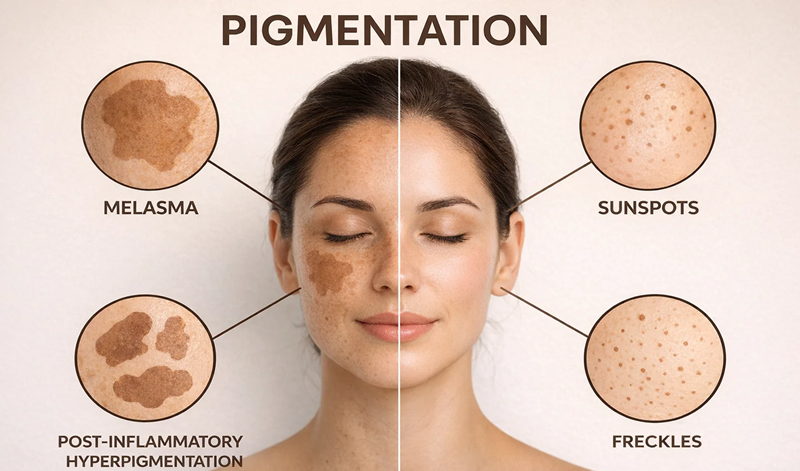
Yes, recurrent pigmentation can often be managed, but the appropriate treatment depends on its cause, type, depth, and severity.
Treatment may include topical products, prescription medications, chemical peels, laser or light-based procedures, or other professional approaches. Some treatments can themselves aggravate pigmentation if they are not appropriately selected, so treatment should be tailored to the individual.
The goal is not simply to lighten existing pigmentation but also to control the factors that may cause it to return.
When Should You See a Pigmentation Doctor?
Consider professional assessment if:
- Pigmentation repeatedly returns after treatment
- Dark patches are becoming more noticeable
- You are unsure what type of pigmentation you have
- Your current skincare routine is causing irritation
- Over-the-counter products have not produced the expected improvement
- You are considering professional pigmentation treatment
If pigmentation repeatedly returns, consulting a pigmentation doctor Dubai can help identify the cause and determine an appropriate treatment and maintenance plan.
Frequently Asked Questions
Is rebound pigmentation permanent?
Why does pigmentation come back after treatment?
Can sunscreen prevent rebound pigmentation?
Can melasma cause rebound pigmentation?
How long does rebound pigmentation take to improve?
Conclusion
Rebound pigmentation can occur when the factors responsible for excess melanin production continue after pigmentation has improved. Sun exposure, visible light, hormonal changes, inflammation, and inadequate maintenance can all contribute to recurrence.
Consistent sun protection, gentle skincare, trigger management, and an appropriate maintenance plan can help support longer-lasting results. If pigmentation repeatedly returns, professional assessment can help identify the cause and determine the most appropriate treatment strategy.


Leave a Comment