
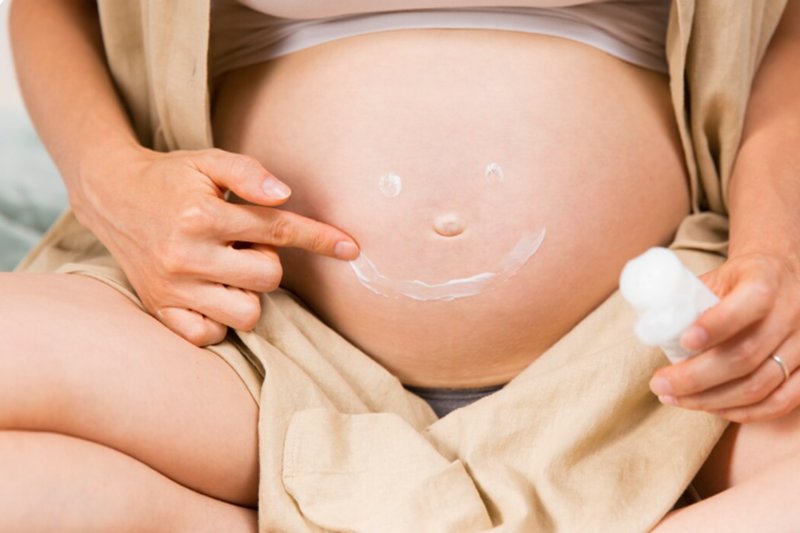
Why does your skin suddenly look darker during pregnancy? If you have noticed brown patches on your face, a darker line across your abdomen, or increased pigmentation around your nipples, you are not alone. Pregnancy Hyperpigmentation is a common skin change caused largely by the hormonal shifts that occur during pregnancy.
Although these changes can be surprising, they are usually a normal response of the skin to pregnancy hormones. Understanding why pigmentation develops, where it appears, and what you can safely do about it can make the change much easier to manage.
What Is Pregnancy Hyperpigmentation?
Pregnancy hyperpigmentation refers to increased skin pigmentation that develops during pregnancy when hormonal changes stimulate melanocytes, the cells responsible for producing melanin. As melanin production increases, certain areas of the skin may become darker than they were before pregnancy. The extent of this change varies between individuals and can be influenced by genetics, natural skin tone, hormonal sensitivity, and sun exposure.
The face, nipples, areolas, abdomen, inner thighs, and genital area are among the areas most commonly affected. While some women experience only subtle darkening, others may develop more noticeable pigmentation, particularly on the face.
Online Aesthetic Consultation
Book an Online Aesthetic Consultation with Dr. Elham to discuss your goals and choose the most suitable option for you.

Why Does Pregnancy Cause Skin Darkening?
Hormonal changes are the main reason pigmentation becomes more noticeable during pregnancy. Increased levels of estrogen and progesterone can stimulate melanocytes, leading to greater melanin production and darker skin in certain areas.
Sun exposure can make this pigmentation more visible, especially on the face. Ultraviolet radiation can further stimulate melanin production, making pregnancy-related pigmentation darker or more persistent. This is why hormonal changes and UV exposure can work together to make facial pigmentation more noticeable during pregnancy.
Where Does Pregnancy Hyperpigmentation Appear?
Pregnancy-related pigmentation can appear in several different areas. The location and pattern can provide useful clues about what type of pigmentation is developing.
Facial Pigmentation
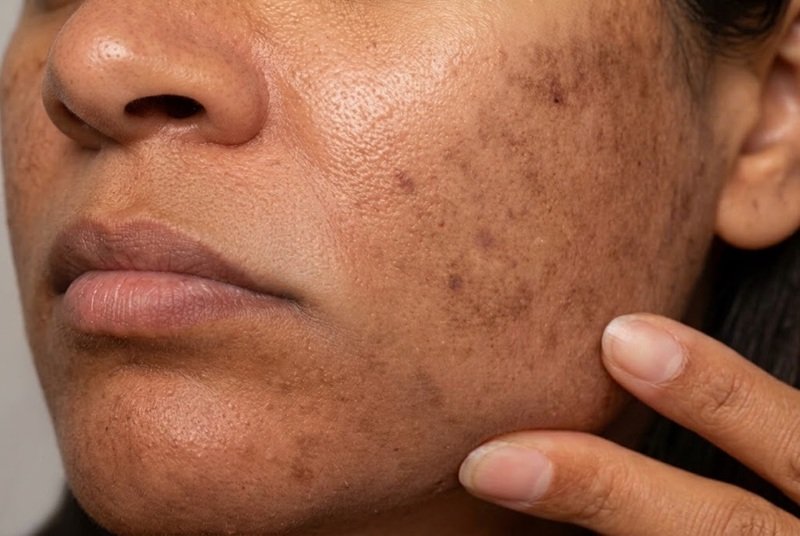
The face is one of the most noticeable areas because it is exposed to sunlight every day. Darker patches may develop on the cheeks, forehead, nose, or upper lip.
When facial pigmentation appears in symmetrical patches, it may be associated with melasma. Pregnancy is a well-known hormonal trigger for this type of pigmentation.
However, not every dark patch that appears during pregnancy is melasma. A proper assessment can help distinguish between different causes of pigmentation.
The Linea Nigra
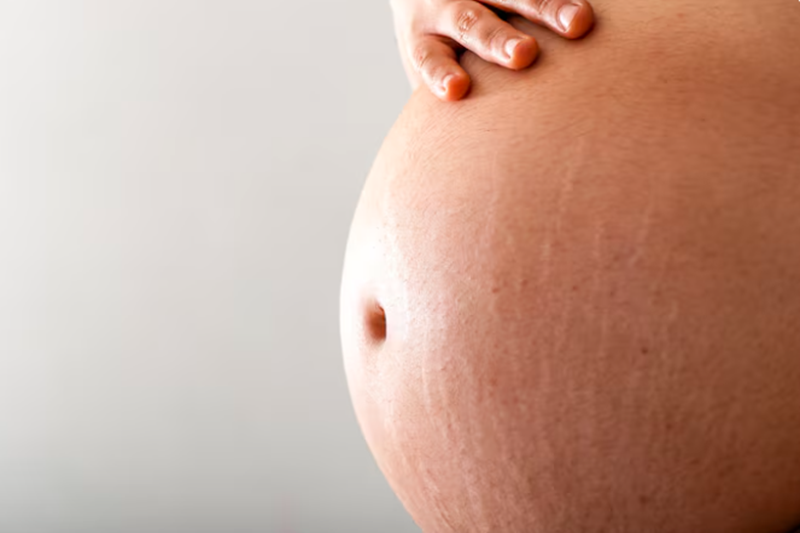
Many pregnant women notice a darker vertical line running down the middle of the abdomen. This is known as the linea nigra.
It can become more visible as pregnancy progresses and is considered a common pregnancy-related pigmentation change.
The linea nigra generally does not require treatment. In many cases, it gradually becomes lighter after delivery as hormonal levels change.
Nipples and Areolas
The nipples and areolas often become darker during pregnancy. This is another common hormonal change.
The degree of darkening varies significantly between individuals. The area may gradually return toward its previous color after pregnancy, although some degree of pigmentation can remain.
Inner Thighs and Other Areas
Some women experience increased pigmentation around the inner thighs, genital area, or other naturally darker areas of the body.
These changes can be more noticeable in people who naturally have higher levels of melanin.
They are generally not concerning when they develop gradually alongside other normal pregnancy-related pigmentation changes.
Pregnancy Hyperpigmentation vs. Melasma
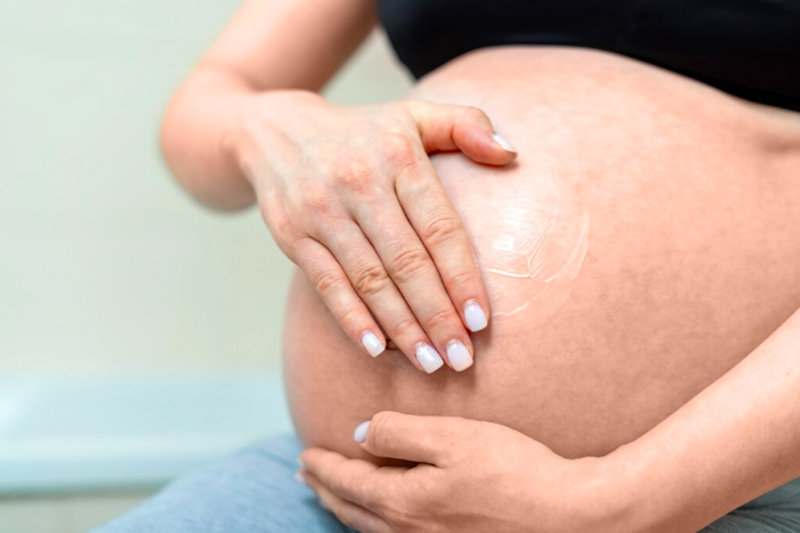
Pregnancy hyperpigmentation is a general term for increased skin pigmentation during pregnancy, while melasma is a specific condition that mainly affects the face. Melasma typically appears as irregular brown or gray-brown patches on the cheeks, forehead, nose, or upper lip and may become more noticeable because of pregnancy-related hormonal changes and sun exposure.
The distinction matters because facial melasma may require a different approach from generalized pregnancy-related darkening. If you have persistent facial patches and want to understand their possible causes and patterns, learning more about melasma pigmentation can be a useful next step.
Is Pregnancy Hyperpigmentation Normal?
In most cases, yes.
Increased pigmentation is a common physiological response to pregnancy hormones. It can develop gradually and become more noticeable as pregnancy progresses.
The presence of pigmentation by itself does not usually indicate a problem with the pregnancy or an underlying disease.
However, not every form of skin discoloration during pregnancy should automatically be attributed to hormones. Other causes of pigmentation exist, including inflammation, medications, sun exposure, and certain skin conditions.
The appearance, distribution, timing, and symptoms associated with the discoloration are important when determining its cause.
If a pigmented area looks unusual or changes rapidly, professional evaluation is appropriate rather than assuming it is simply pregnancy-related.
How Long Does Pregnancy Hyperpigmentation Last?
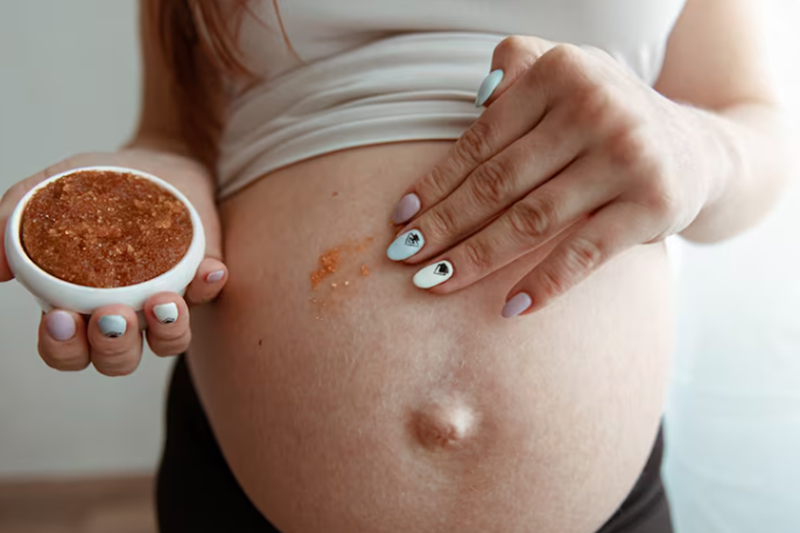
There is no universal timeframe for pregnancy-related pigmentation to disappear.
Some pigmentation may become noticeably lighter during the months following childbirth. Other areas can remain visible for considerably longer.
Several factors can influence how long pigmentation lasts, including:
- Natural skin tone
- Genetics
- Hormonal changes
- Sun exposure
- Type of pigmentation
- Whether melasma is involved
- Skin-care habits
- Individual response after pregnancy
The persistence of pigmentation does not necessarily mean that something is wrong. However, if pigmentation remains prominent after pregnancy and bothers you, a dermatologist can determine its type and discuss appropriate management.
Can You Treat Pregnancy Hyperpigmentation During Pregnancy?
In many cases, conservative skin care, sun protection, and observation are preferred during pregnancy. This is partly because pregnancy-related pigmentation may naturally become lighter after delivery, making aggressive treatment unnecessary during pregnancy.
If the pigmentation is extensive, unusual, or causing significant concern, a dermatologist can determine whether it is consistent with normal pregnancy-related changes and discuss appropriate options.
For women seeking professional assessment in the UAE, consulting a qualified specialist can help clarify the type of pigmentation before considering treatment. To learn more about professional evaluation, exploring information about a pigmentation doctor dubai can be a useful next step.
What Happens to Pigmentation After Pregnancy?
After delivery, the hormonal environment gradually changes, and pigmentation may begin to fade.
The process can take time. Some women see noticeable improvement relatively soon, while others continue to have visible pigmentation for months or longer.
Facial pigmentation may require particular attention because melasma can persist even after pregnancy-related hormonal changes have settled.
The important point is that persistent pigmentation does not automatically mean that treatment is necessary. The first step is understanding what is causing the discoloration.
Once the type of pigmentation has been identified, appropriate treatment options can be considered if needed.
Can Pigmentation Treatments Be Used After Pregnancy?
After pregnancy, there may be more treatment options available, but the appropriate approach still depends on the specific pigmentation and whether you are breastfeeding.
A dermatologist may evaluate the pigmentation and determine whether it is melasma, post-inflammatory pigmentation, sun-related pigmentation, or another type of discoloration.
Depending on the diagnosis, treatment may involve topical products, prescription treatments, chemical peels, or selected dermatological procedures.
However, stronger treatment is not automatically better. Some pigmentation-prone skin can become irritated by aggressive procedures, potentially leading to additional discoloration.
A treatment plan should therefore be based on the type of pigmentation, your skin characteristics, and your current circumstances.
What Should You Avoid When Treating Pregnancy Pigmentation?
Trying to lighten pigmentation too quickly can sometimes make the situation worse.
Aggressive exfoliation, excessive scrubbing, and combining several strong active ingredients can irritate the skin. Irritation may trigger inflammation and contribute to additional pigmentation.
You should also avoid using prescription pigmentation treatments without appropriate medical advice, particularly during pregnancy or breastfeeding.
A gradual approach focused on diagnosis, sun protection, and skin-barrier care is generally more appropriate than attempting to remove pigmentation as quickly as possible.
When Should You See a Dermatologist?
Most pregnancy-related pigmentation is not an emergency and does not require immediate treatment.
However, professional assessment is sensible if a pigmented area:
- Changes rapidly
- Develops an unusual shape or color
- Becomes painful or inflamed
- Starts bleeding
- Looks significantly different from your other pigmentation
- Involves a changing mole
- Persists and causes significant concern
A dermatologist can examine the skin and determine whether the appearance is consistent with pregnancy-related pigmentation or whether another condition should be considered.
Professional assessment can also be useful after pregnancy if pigmentation remains persistent and you want to understand your treatment options.
Can Pregnancy Change Your Skin Permanently?
Pregnancy can produce long-lasting changes in pigmentation, but permanent changes are not inevitable.
Many women notice that their skin gradually returns closer to its pre-pregnancy appearance after delivery.
Some pigmentation, particularly melasma, may persist or recur in response to hormonal changes and sun exposure.
Your individual skin type, genetics, hormonal sensitivity, and environmental exposure all influence the outcome.
This is why it is better to think of pregnancy pigmentation as a process rather than expecting every darkened area to disappear immediately after childbirth.
How Can You Reduce the Appearance of Pigmentation?
There is no single method that works for every type of pigmentation.
During pregnancy, the most practical steps are protecting the skin from UV exposure, maintaining a gentle skin-care routine, and avoiding unnecessary irritation.
After pregnancy, persistent pigmentation can be assessed to determine whether additional treatment could be beneficial.
The treatment approach should be based on the diagnosis rather than simply choosing the strongest available pigmentation product.
This is particularly important for melasma, which can sometimes become more noticeable after irritation or excessive sun exposure.
Online Aesthetic Consultation
Book an Online Aesthetic Consultation with Dr. Elham to discuss your goals and choose the most suitable option for you.
What Should You Remember About Pregnancy Hyperpigmentation?
Pregnancy can change the skin dramatically, and pigmentation is one of the most common visible changes.
Pregnancy Hyperpigmentation occurs largely because pregnancy hormones can increase melanocyte activity and melanin production. It may affect the face, abdomen, nipples, areolas, inner thighs, and other areas.
For many women, pigmentation gradually fades after delivery. However, some forms, especially melasma, can persist and may require professional assessment.
The most useful approach is to avoid unnecessary irritation, protect your skin from the sun, and seek professional advice if pigmentation looks unusual or remains persistent.
Rather than trying to remove every dark patch immediately, understanding what caused it is the first step toward managing it appropriately.
Frequently Asked Questions
Is Pregnancy Hyperpigmentation permanent?
When does pregnancy pigmentation start?
Does sunscreen help with pregnancy pigmentation?
Is melasma the same as Pregnancy Hyperpigmentation?
Can I use pigmentation creams while pregnant?
Will the linea nigra disappear after pregnancy?
Should I worry about dark patches during pregnancy?
Can pregnancy pigmentation be treated after delivery?
Can Sun Exposure Worsen Pregnancy Pigmentation?
Conclusion
Pregnancy Hyperpigmentation is a common consequence of the hormonal changes that occur during pregnancy. Darkening can affect several areas of the body, from the abdomen and nipples to the face, where melasma may develop.
For many women, these changes gradually become less noticeable after delivery. In the meantime, sun protection, gentle skin care, and caution with active treatments can help protect the skin.
If pigmentation persists, changes unexpectedly, or becomes difficult to identify, professional evaluation can help determine its cause and whether treatment is appropriate.


Leave a Comment