

Choosing a skin specialist in Dubai can make a significant difference in how effectively your skin concerns are assessed and treated. With many clinics and practitioners available, it can be difficult to know which option is right for you.
The right specialist should not only have appropriate medical qualifications but also understand your specific skin concerns, listen to your goals, and recommend a treatment plan based on your individual needs.
Whether you are dealing with acne, pigmentation, signs of aging, sensitivity, or another persistent skin concern, knowing what to look for can help you make a more informed decision.
Choosing a Skin Specialist in Dubai: What to Consider

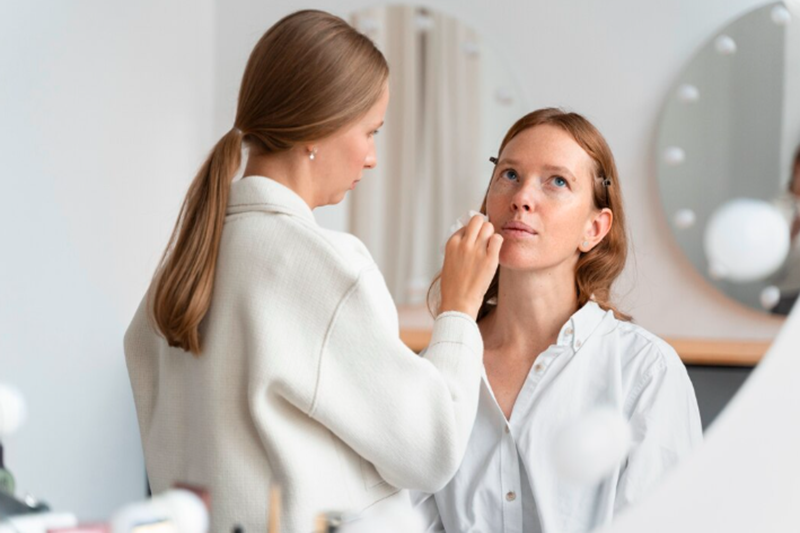
A skin specialist evaluates the condition of your skin, identifies possible causes of your concerns, and recommends appropriate treatment or ongoing care.
Depending on the problem, a consultation may involve examining your skin, discussing your medical and treatment history, reviewing products you currently use, and considering factors such as lifestyle and environmental exposure.
A good consultation should go beyond recommending a cosmetic procedure. It should help you understand why a particular concern may be occurring and what options are available to manage it.
For some people, the appropriate approach may involve medical treatment. For others, professional skin care, lifestyle adjustments, or a combination of treatments may be more suitable.
Online Aesthetic Consultation
Book an Online Aesthetic Consultation with Dr. Elham to discuss your goals and choose the most suitable option for you.

Skin Doctor vs Dermatologist: What’s the Difference?
When searching for a skin specialist, you may come across terms such as “skin doctor,” “skin specialist,” and “dermatologist.” Although these terms are sometimes used interchangeably, they do not always describe the same level of medical specialization.
A dermatologist is a medical doctor who has specialized training in diagnosing and treating conditions affecting the skin, hair, and nails. Dermatologists can manage both medical and cosmetic skin concerns.
The term “skin doctor” is more general and may be used informally to describe a doctor who treats skin-related concerns.
If you have a persistent, complex, or unexplained skin problem, choosing a qualified dermatologist can provide a more comprehensive medical assessment. For cosmetic concerns, a consultation can also help determine whether a procedure, medical treatment, or a personalized skin care plan is appropriate.
What to Consider When Choosing a Skin Specialist in Dubai

Finding the right specialist involves more than looking at online ratings. Consider several factors before booking your appointment.
Medical Qualifications and Experience
Check the specialist’s medical qualifications, professional credentials, and experience. It is also useful to consider whether they regularly treat the specific concern you want to address.
For example, someone looking for help with persistent acne may benefit from a specialist experienced in acne management, while someone concerned about pigmentation may want a practitioner familiar with different types of hyperpigmentation and skin tones.
Experience With Your Specific Skin Concern
Skin problems can have different causes and may require different approaches. Ask whether the specialist has experience evaluating and treating concerns similar to yours.
A personalized assessment is particularly important when several factors may be contributing to the problem.
Personalized Treatment Approach
Avoid choosing a specialist simply because they recommend a popular treatment. Your skin may respond differently from someone else’s.
A good specialist should assess your skin and explain why a particular treatment or combination of treatments may be appropriate for you.
Clear Communication
During a consultation, you should feel comfortable explaining your concerns and asking questions.
The specialist should be able to explain the diagnosis, treatment options, expected results, potential risks, and realistic limitations in language you can understand.
Realistic Expectations
Be cautious of promises of instant or guaranteed results. Skin treatments often require time, consistency, and sometimes multiple sessions.
A responsible specialist should explain what you can realistically expect rather than promising results that may not be achievable.
Clinic Standards and Safety
The quality and safety standards of the clinic are also important. Consider whether the clinic follows appropriate hygiene and medical safety practices and whether treatments are performed using suitable equipment and protocols.
Consider Local Skin Concerns and Expertise
When choosing a skin specialist in Dubai, consider whether the practitioner has experience with your specific skin type and concern. Factors such as pigmentation, acne, sensitivity, and sun exposure can vary between individuals, so a personalized assessment is important. A specialist who understands different skin types and common concerns can help create a treatment plan that is both appropriate and realistic.
What to Ask Before a Skin Consultation
Knowing what to ask before a skin consultation can help you make the most of your appointment and understand your treatment options.
Consider asking:
- What could be causing my skin concern?
- Do I need any additional examination or tests?
- What treatment options are available?
- Why do you recommend this particular approach?
- Are there alternatives to this treatment?
- How long might it take to see results?
- How many sessions might I need?
- What side effects or risks should I know about?
- Is there any downtime or recovery period?
- What should I avoid before or after treatment?
- What should I do if my skin does not respond as expected?
These questions can also help you understand whether the specialist is taking a personalized approach rather than recommending the same treatment to every patient.
How a Skin Consultation Helps You Choose the Right Treatment

A professional skin consultation is often the first step toward understanding what your skin actually needs.
A medical skin assessment should consider your symptoms, skin history, previous treatments, and any relevant medical factors before a treatment is recommended. This helps distinguish between concerns that may look similar but require different approaches and reduces the risk of choosing an unsuitable treatment based only on appearance.
Two people may have similar-looking concerns but require completely different treatment approaches. For example, pigmentation can have different causes, while acne may vary in severity and type.
During a consultation, a specialist can evaluate your skin, discuss your concerns and previous treatments, and determine which options are most appropriate.
The goal is not necessarily to choose the most advanced or expensive treatment. Instead, the focus should be on finding an approach that is appropriate for your skin, concerns, and expectations.
A consultation can also help you understand which skin care approach is appropriate for your skin type and concerns, rather than relying on generic products or routines.
When Should You See a Dermatologist?
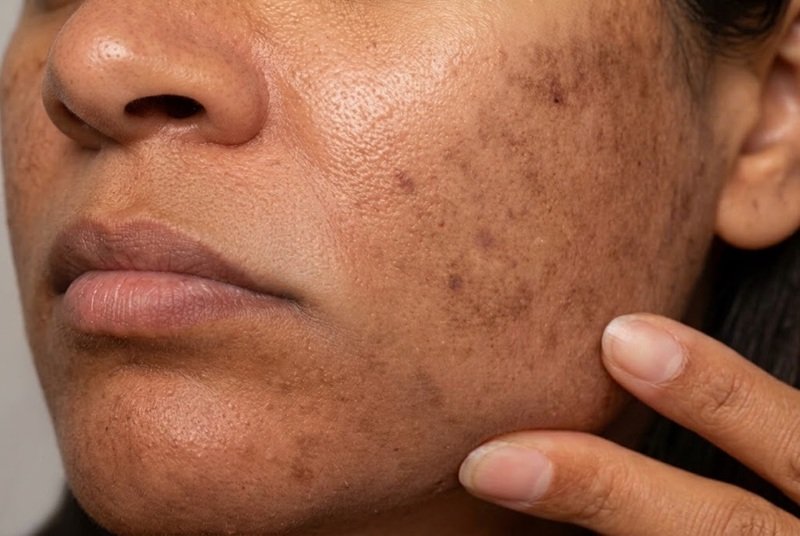
You may want to consult a dermatologist if a skin concern is persistent, worsening, painful, or difficult to identify.
Common reasons to seek professional assessment include:
- Persistent or severe acne
- Unexplained skin rashes
- Ongoing itching or irritation
- Persistent pigmentation or dark spots
- Changes in moles or other skin lesions
- Excessive hair loss or scalp problems
- Signs of premature or significant skin aging
- Skin concerns that have not improved with over-the-counter products
- Recurring skin problems
A professional assessment can help determine whether the issue requires medical treatment, cosmetic treatment, lifestyle changes, or a combination of approaches.
How to Prepare for Your Skin Consultation
Preparing in advance can make your consultation more useful.
Before your appointment, make a note of when your skin concern started, whether it has changed over time, and what treatments or products you have already tried.
It can also help to prepare a list of:
- Current skin care products
- Prescription or over-the-counter medications
- Previous cosmetic treatments
- Previous reactions or allergies
- Changes in your skin over time
- Questions you want to ask
If possible, avoid changing your entire skin care routine immediately before the appointment unless your doctor has advised you to do so. Having an accurate picture of your current routine can help the specialist understand your skin better.
Online Aesthetic Consultation
Book an Online Aesthetic Consultation with Dr. Elham to discuss your goals and choose the most suitable option for you.
Choosing a Skin Specialist: A Simple Checklist
Before booking an appointment, use this checklist to compare your options:
| what to Check | Why It Matters |
|---|---|
| Medical qualifications | Helps confirm appropriate professional training |
| Relevant experience | Shows familiarity with your specific concern |
| Personalized assessment | Ensures treatment is based on your individual needs |
| Clear communication | Helps you understand your options and expectations |
| Realistic recommendations | Avoids unnecessary promises or treatments |
| Safety standards | Supports a safer treatment experience |
| Follow-up care | Helps monitor your progress over time |
The right specialist should make you feel informed and comfortable with the treatment plan rather than pressured to undergo a particular procedure.
Frequently Asked Questions
How do I choose the right skin specialist in Dubai?
What is the difference between a skin doctor and a dermatologist?
What should I ask before a skin consultation?
How do I know if I need to see a dermatologist?
Should I prepare anything before a skin consultation?
Can a skin consultation help me choose the right treatment?
Final Thoughts
Choosing the right skin specialist in Dubai starts with understanding your own skin concerns and finding a qualified professional who can assess them properly. Qualifications, relevant experience, personalized recommendations, clear communication, and realistic expectations are all important factors to consider.
Rather than choosing a specialist based solely on popularity or a specific treatment, focus on finding someone who can evaluate your skin and guide you toward an appropriate treatment and long-term care plan.



Leave a Comment