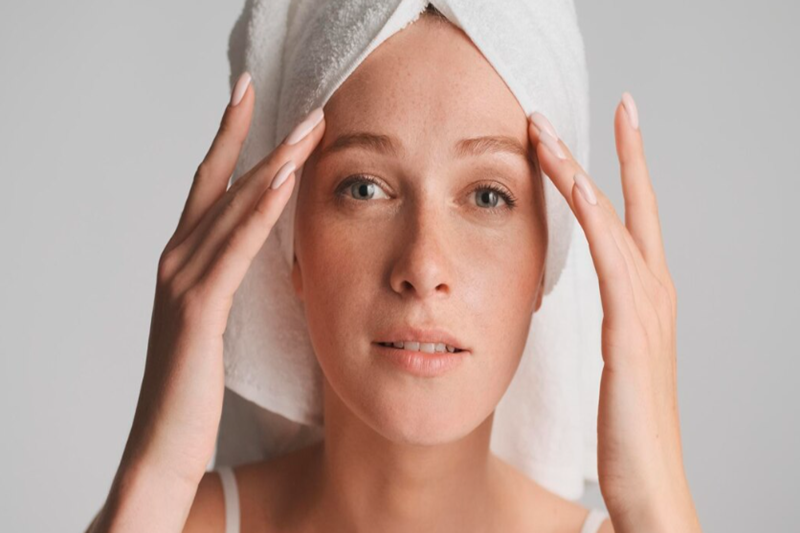

Melasma can cause persistent brown or grey-brown patches on the face, particularly on areas such as the cheeks, forehead, upper lip, and chin. Because pigmentation can have different causes, identifying the type of pigmentation is an important part of choosing the right treatment.
At Dr. Elham's clinic in Dubai, melasma treatment is tailored to the individual's skin type, pigmentation pattern, triggers, and treatment goals. The approach focuses on improving uneven pigmentation while reducing the risk of further discoloration.


What Is Melasma?
Melasma is a common pigmentation condition that causes darker patches to develop on the skin. It most often appears on the face and can become more noticeable after sun exposure or hormonal changes.
Common areas affected by melasma include:
Melasma can be influenced by several factors, including sun exposure, hormonal changes, genetics, and heat. Because these triggers can vary between individuals, treatment needs to be adapted to the patient's skin and circumstances.
Melasma vs. Other Types of Pigmentation
Not every dark spot is melasma. Pigmentation can develop after acne, inflammation, hormonal changes, sun exposure, or other skin conditions. Melasma usually appears as larger, irregular patches rather than isolated spots.
Melasma
- ✓ Larger, irregular patches on the face
- ✓ Often symmetrical across both sides
- ✓ Influenced by hormones, sun, and heat
- ✓ Tends to be chronic and recurring
Other Pigmentation
- – Isolated dark spots or patches
- – May follow acne, injury, or inflammation
- – Can be caused by sun damage alone
- – May resolve with targeted treatment
Identifying the type of pigmentation matters because dark spots treatment in Dubai may differ from the approach used for melasma. A professional assessment can help determine whether the pigmentation is more consistent with melasma, post-inflammatory hyperpigmentation, sun-related pigmentation, or another concern.
Online Consultation for Pigmentation & Melasma Treatment
Book an Online Aesthetic Consultation with Dr. Elham to discuss Pigmentation & Melasma Treatment and choose the most suitable option for your goals.

Melasma Treatment in Dubai
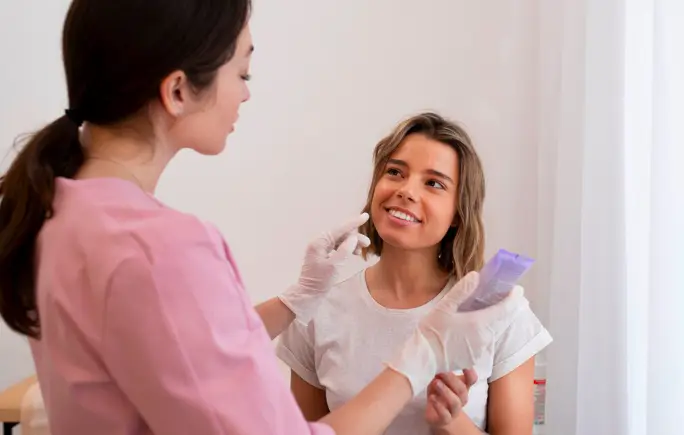
There is no single treatment that works for every person with melasma. Treatment may involve a combination of professional procedures, topical products, and lifestyle measures depending on the individual's skin.
The treatment plan may consider:
The goal is not simply to lighten the skin as quickly as possible. A carefully controlled approach aims to improve pigmentation while minimizing irritation and the risk of recurrence.
Pigmentation Treatment in Dubai
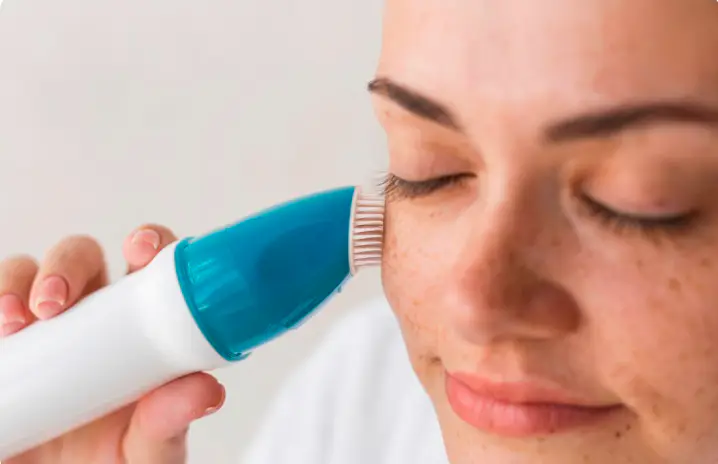
Pigmentation treatment in Dubai can involve different approaches depending on the underlying cause. For some patients, targeted topical skincare may be appropriate. Others may benefit from professional procedures designed to improve pigmentation or skin renewal.
Treatment options may include:
- Prescription or professionally recommended topical treatments
- Chemical peels
- Selected laser or light-based treatments
- Medical-grade skincare
- Sun protection and pigmentation-prevention strategies
The most appropriate option depends on the type of pigmentation and your skin's response to previous treatments.
Hyperpigmentation Treatment in Dubai
Hyperpigmentation occurs when areas of the skin become darker than the surrounding skin because of increased melanin production.
It may develop after:
Hyperpigmentation treatment in Dubai should address the underlying cause as well as the visible discoloration. If the trigger continues, pigmentation may return even after successful treatment.
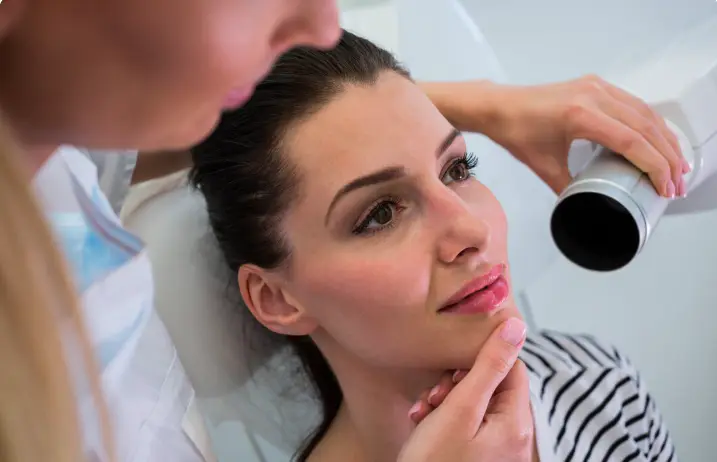
Melasma Treatment for Middle Eastern Skin
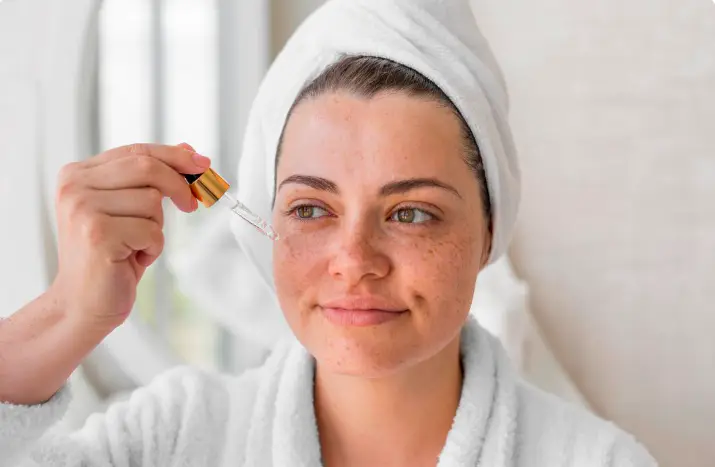
Melasma can be particularly challenging to manage in Middle Eastern skin because medium-to-deep skin tones may have a greater tendency toward pigmentation following inflammation. This does not mean that treatment cannot be effective. It means treatment selection and intensity should be carefully considered.
For melasma treatment for Middle Eastern skin, Dr. Elham may consider factors such as:
A less aggressive approach may sometimes be preferable to a highly intensive treatment that could trigger additional pigmentation.
Post-Pregnancy Pigmentation Treatment
Hormonal changes during pregnancy can contribute to the development or worsening of melasma and other pigmentation concerns.
After pregnancy, some pigmentation may gradually become less noticeable, while persistent melasma may require targeted treatment.
Post-pregnancy pigmentation treatment can involve a combination of professional skincare, topical treatments, and selected procedures depending on the patient's skin and whether they are breastfeeding or have other treatment considerations.
If you have recently given birth, it is important to inform Dr. Elham about your pregnancy and breastfeeding status before starting any prescription or professional pigmentation treatment.

How Is Melasma Treated?
Melasma management may involve several complementary strategies rather than relying on one procedure.
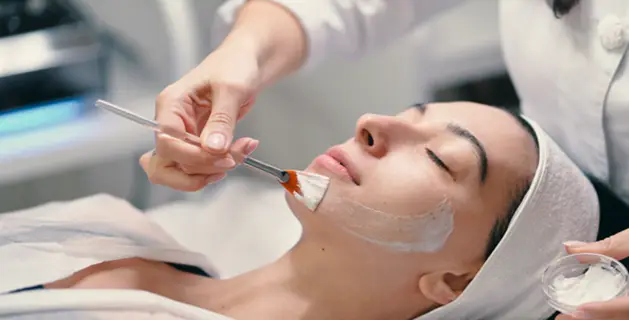
Targeted Skincare
Certain topical ingredients can help improve uneven pigmentation and support more even-looking skin over time. The choice of ingredients depends on skin sensitivity and the type of pigmentation.

Chemical Peels
Professionally selected chemical peels can help improve superficial pigmentation and promote skin renewal. The type and strength of the peel should be carefully selected, particularly for patients with darker or pigmentation-prone skin.
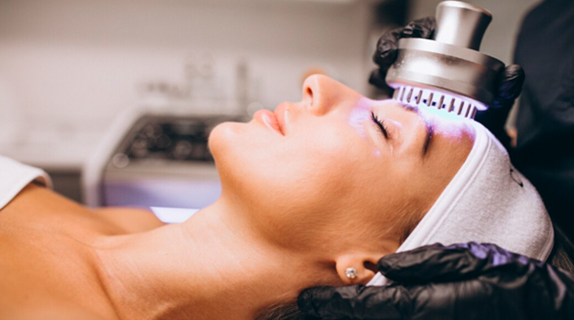
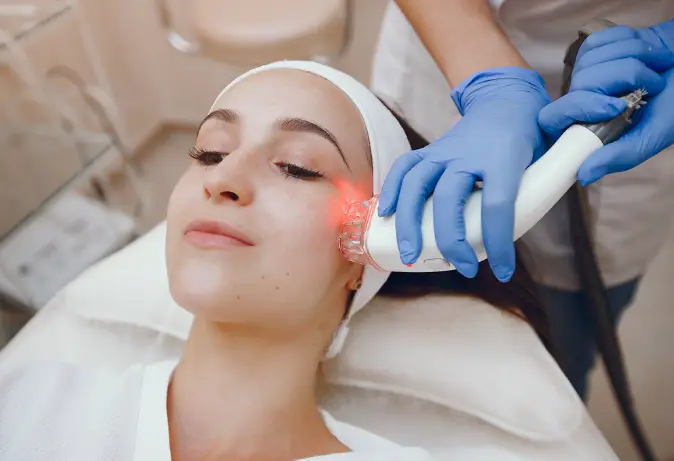
Laser & Light-Based Treatments
Some laser or light-based treatments may be considered for selected pigmentation concerns. However, they are not suitable for every patient with melasma. Because excessive inflammation can sometimes worsen pigmentation, treatment settings and patient selection are important.
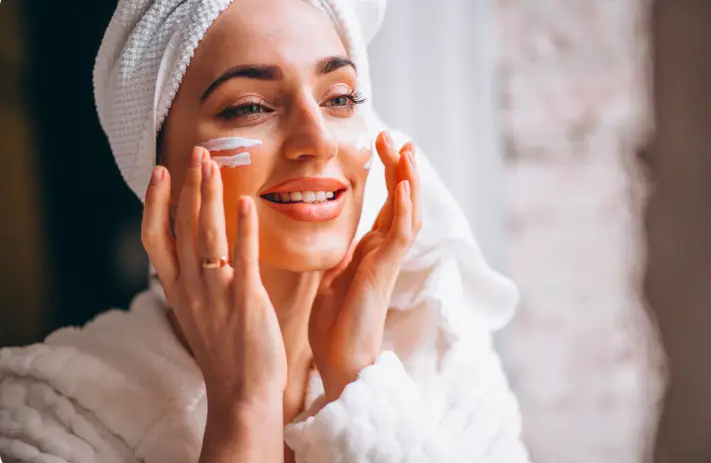
Sun Protection
Sun exposure can contribute to the development and recurrence of melasma. Daily broad-spectrum sunscreen and appropriate sun-protection habits are therefore important parts of pigmentation management.
Why Choose Dr. Elham for Melasma Treatment?
Dr. Elham takes a personalized approach to pigmentation and melasma, recognizing that treatment needs can vary significantly between patients.
Rather than treating pigmentation based only on its visible appearance, she considers factors such as skin tone, pigmentation triggers, sensitivity, hormonal history, and previous treatments when developing a treatment plan.
This individualized approach is especially relevant for patients with Middle Eastern skin, who may be more prone to post-inflammatory pigmentation after certain procedures.
The aim is to improve pigmentation while maintaining the health and stability of the skin.
How Long Does Melasma Treatment Take?
Melasma usually requires ongoing management rather than a single treatment session. The time needed to see improvement depends on:
Some patients may notice gradual improvement, while others require a longer treatment plan and maintenance strategy. Melasma can also recur, particularly when triggers such as sun exposure or hormonal changes remain present. Long-term prevention is therefore an important part of treatment.
Not Sure What's Causing Your Pigmentation?
Book a consultation with Dr. Elham in Dubai to assess your pigmentation and discuss treatment options suited to your skin.
Frequently Asked Questions
What is the best treatment for melasma?
There is no single best treatment for every patient. The appropriate approach depends on the type and severity of melasma, skin tone, sensitivity, triggers, and previous treatments.
Can melasma be completely removed?
Melasma can often be improved, but it may be a chronic and recurring condition. Treatment usually focuses on reducing visible pigmentation and preventing recurrence rather than guaranteeing permanent removal.
Is pigmentation treatment safe for Middle Eastern skin?
Many pigmentation treatments can be used safely on Middle Eastern skin when appropriately selected. However, skin tone and pigmentation risk should be considered carefully because excessive inflammation can sometimes cause additional discoloration.
Can pregnancy cause melasma?
Yes. Hormonal changes during pregnancy can contribute to melasma, which is why it is sometimes referred to as the "mask of pregnancy."
How can I treat dark spots after acne?
Post-inflammatory hyperpigmentation after acne may require a different approach from melasma. Targeted skincare and selected professional treatments may help improve the appearance of dark spots.
Does sunscreen help with melasma?
Yes. Sun protection is an important part of melasma management because ultraviolet and visible light exposure can contribute to pigmentation and recurrence.
Can melasma come back after treatment?
Yes. Melasma can recur, particularly with sun exposure, hormonal changes, or other individual triggers. A long-term maintenance and prevention strategy can help manage recurrence.
How many treatments will I need?
The number of treatments varies according to the type and severity of pigmentation and the treatment selected. Dr. Elham can recommend an appropriate treatment plan after assessing your skin.